


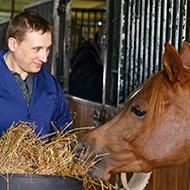
CPD course to offer practical advice on diet and feeding.
(The British Equine Veterinary Association (BEVA) has announced that it will be holding a one-day CPD course to help equine veterinary professionals who want to improve their knowledge of equine nutrition.
The new course: From superfoods to supplements: How to know more than the owner will be held on 7 July 2021 and delivers seven CPD hours.
The speaker panel comprises Caroline Argo, Andy Durham, Pat Harris, Nicky Jarvis and Sarah Stoneham.
Course organiser Nicky Jarvis said: “Whether it's a conversation with an owner about their overweight horse, examining a geriatric pony with weight loss or formulating nutrition for an orphan foal, tailored nutrition is the cornerstone of every equine case we see in veterinary practice.”
“We regularly treat a variety of conditions such laminitis and colic, but are we always confident about the best feeding advice to give our clients? And how often do we walk into a tack room full of the ‘latest’ supplements and wonder if any of them actually work?”
The course will cover how to:
- give up-to-date advice on what owners should be feeding their horses
- formulate the ideal diet for horses of any age
- maximise treatment of clinical diseases such as laminitis, liver failure, colic and diarrhoea by feeding tailored to suit each case
- develop an understanding of the evidence behind many supplements and which ones stand up to scrutiny
- adapt diets to suit fussy horses (or owners), as well as a range of budgets and all types of stable and pasture management.
BEVA president Lucy Grieve said: “Veterinary professionals are in a unique and privileged position to support owners on all matters of nutrition and this course will give you the knowledge you need to provide practical, constructive help.”
To find out more and to sign up please visit the BEVA website.


 Companies marketing medicines for small pets exempt from authorisation must submit their annual return to the Veterinary Medicines Directorate (VMD) by 30 November 2026.



