


Gene-editing technique could aid animal productivity and welfare.
Researchers at the University of Edinburgh's Roslin Institute have successfully produced donor breed chicks from surrogate cockerels and hens.
The outcome, achieved using gene-editing technology, could be an efficient way to transfer beneficial characteristics from one chicken to another, such as disease resistance or tolerance to warm climates.
It could also benefit poultry production in low and middle-income countries, preserving key indigenous chicken breeds that are well suited to living in challenging conditions, researchers said.
Dr Mike McGrew from The Roslin Institute, explains: “Chickens are the world’s most populous livestock species. The potential to preserve chicken breeds and introduce characteristics that will improve their wellbeing and productivity brings the opportunity to improve efficiency in the poultry industry and develop local breeds of chicken.”
In the study, researchers implanted sterile male and female chicken eggs with the reproductive cells from donor birds. The resulting chickens were then mated together, with their chicks inheriting characteristics from their real parents - the donor birds taher than the surrogates - along with edited changes to their DNA.
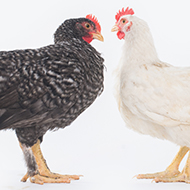
The team demonstrated the approach by repairing a natural genetic change that causes distinctive white plumage in the white leghorn breed. The chicks born to the sterile chickens had a black plumage.
They also used the technique to introduce a distinctive curly feather, believed to help Western African breeds cope with hot climates, into chicks bred from Light Sussex chickens, a British breed.
Professor Appolinaire Djikeng Director of the Centre for Tropical Livestock Genetics and Health, said: “Poultry is a key livestock animal for millions of smallholder farmers in low- and middle-income countries.
“Any gains in efficiency, productivity and health from introducing useful traits from other poultry breeds could significantly improve the lives of these farming families through increased food production and income.”
The findings are published in the journal, Nature Communications.


 Two independent vets have launched a podcast to help owners strengthen their bond with pets. Dr Maggie Roberts and Dr Vanessa Howie, who have worked in both veterinary practice and major charities, are keen to use their experience to enable people to give pets a better life.



