


Study reveals insights into equine obesity
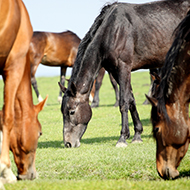
"Most owners and keepers know that individual horses and ponies experience different positives and negatives when living in groups."
New research by the University of Bristol and the Royal Veterinary College has revealed how social behaviour can influence the body condition of horses and ponies living in herds.
Ponies and horses have evolved to live in herd environments within a distinct social hierarchy. Scientists say their findings, published in the journal PeerJ, could help to address problems associated with equine obesity.
The study was conducted in collaboration with SPILLERS™ through the WALTHAM™ equine studies group. Clare Barfoot, marketing and research and development director at SPILLERS, said:
“Most owners and keepers know that individual horses and ponies experience different positives and negatives when living in groups. This is why we tend to choose field companions carefully so that a balanced and harmonious relationship can be maintained within the herd.”
Previous research found that the foraging success of individual animals in social groups may in part be influenced by their social status. Building on this knowledge, the team set out to investigate the importance of other social factors on foraging efficiency and body condition.
In the study, researchers spent 120 hours observing the winter foraging behaviour of 20 separate domestic herds of horses and ponies, noting the duration, frequency and cause of interruptions (vigilance, movement, social displacements given and received, scratching and startle responses).
They found that vigilance frequency was the individual interruption behaviour most strongly and negatively associated with body condition score: a lower body condition was associated with greater vigilance.
But vigilance was not associated with dominance status, the team notes, indicating that some individuals may be more likely to conduct vigilance, perhaps on behalf of the group or due to being more anxious or alert.
The study also revealed that the subordinate horses showed more movement while foraging and were more likely to receive displacements and be forced to move foraging location.
Ms Barfoot said: “These results are novel and exciting in that they present the first behavioural evidence to confirm previous theoretical work. Neither the more vigilant nor the more frequently disturbed individuals compensated for their reduction in feed (energy) intake by spending more time foraging which probably explains the link with lower body condition.
“We hope that what we have learnt about the behaviour of individual horses when kept in groups could be included as a relevant factor when addressing health problems associated with equine obesity.”


 Companies marketing medicines for small pets exempt from authorisation must submit their annual return to the Veterinary Medicines Directorate (VMD) by 30 November 2026.



