


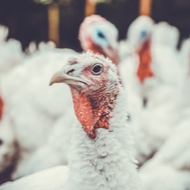
Poultry farmers will be legally required to keep their birds indoors.
Poultry keepers are being urged to prepare for new housing measures, agreed by the UK's chief veterinary officers, to prevent the spread of avian influenza among poultry and captive birds.
Under the new measures, which come into force on December 14, all bird keepers in England, Scotland and Wales will be legally required to keep their birds indoors and to follow strict biosecurity measures to prevent transmission of the disease.
It comes as avian influenza (HPAI) H5N8 has been confirmed at a second premises which rears turkeys near Northallerton, North Yorkshire. All birds will be humanely culled, and a 3km Protection and 10km Surveillance Zone have been placed around the infected farm.
Government chief veterinary officers are calling on bird keepers to use the next 10 days to prepare for the new measures, including steps to safeguard animal welfare, consult their vet and, where necessary, put up additional housing.
A joint statement from the UK's three Chief Veterinary Officers reads: “We have taken swift action to limit the spread of the disease and are now planning to introduce a legal requirement for all poultry and captive bird keepers to keep their birds housed or otherwise separate from wild birds.
“Whether you keep just a few birds or thousands, from 14 December onwards you will be legally required to keep your birds indoors or take appropriate steps to keep them separate from wild birds. We have not taken this decision lightly, but it is the best way to protect your birds from this highly infectious disease.”
The measures build on the Avian Influenza Protection Zone (AIPZ), introduced last month. The AIPZ means that all poultry keepers must enhance their biosecurity measures, such as cleaning and disinfecting equipment, clothing and vehicles, limiting access to non-essential people on their sites, and workers changing clothing and footwear before entering bird enclosures.
The second confirmed case of avian flu in North Yorkshire is the seventh confirmed case of the disease in the UK in recent months. It follows the identification of the disease at premises in Leicestershire, Gloucestershire, Herefordshire, Cheshire and Kent.
Several wild birds across the UK have also tested positive for the disease.


 Veterinary practices are being urged to help owners safely dispose of any unused and expired pet medicines - not just antibiotics - during November's Animal Medicines Amnesty.



