


New statistics on bat rabies in the UK prompt statement
Following the release of new statistics from Defra on rabies in UK bats, the BSAVA is advising primary care small animal practice staff to ensure that they know how to work safely with bats.
In Great Britain, there have been 11 cases of rabies in a bat since 2018, with the most recent case being reported in July 2020 in Wimbourne, Dorset.
European bat lyssaviruses (EBLVs) 1 and 2 – also known as bat rabies – are found in the saliva of infected bats and is typically spread through the bite of the infected bat. The rabies virus can also enter the body through open wounds or mucous membranes.
Although risk of transmission to humans is largely considered low, anyone who regularly handles bats may be at an increased risk of contracting the disease and should therefore be vaccinated against rabies and wear appropriate gloves for the species of bat being handled to avoid injury. For further advice on how to safely handle a bat, please visit the Bat Conservation Trust website.
If an individual is bitten, scratched, or exposed in any other way to bat saliva or nervous tissue, they should seek medical guidance immediately. Any wounds should be disinfected, and the contact area washed with soap and water. The NHS and PHE websites contain further information on treatment after a bite or scratch.
President of the BSAVA Professor Ian Ramsey said: “Whilst the risk of human rabies infection from bats is low, the publication of the new statistics show that EBLVs are circulating in a small number of wild bats. Injured bats are often presented to small animal vets, so we have taken this opportunity to remind our members and others of the potential risks of rabies transmission, and how to mitigate against these.”
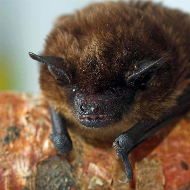
Image (c) Secret World.


 Eligible members of BEVA will be able to vote for their Council team until Monday, 17 August 2026. Members will have received an election email on 17 July.



