
Your data on MRCVSonline
The nature of the services provided by Vision Media means that we might obtain certain information about you.
Please read our Data Protection and Privacy Policy for details.

In addition, (with your consent) some parts of our website may store a 'cookie' in your browser for the purposes of
functionality or performance monitoring.
Click here to manage your settings.
If you would like to forward this story on to a friend, simply fill in the form below and click send.

Your friend's email:
Your email:
Your name:
 
 
Send Cancel

BSAVA reminds small animal vets to practise safe bat handling
The most recent case of rabies in a bat in Britain was in July 2020 in Wimbourne, Dorset.

New statistics on bat rabies in the UK prompt statement

Following the release of new statistics from Defra on rabies in UK bats, the BSAVA is advising primary care small animal practice staff to ensure that they know how to work safely with bats.

In Great Britain, there have been 11 cases of rabies in a bat since 2018, with the most recent case being reported in July 2020 in Wimbourne, Dorset.

European bat lyssaviruses (EBLVs) 1 and 2 – also known as bat rabies – are found in the saliva of infected bats and is typically spread through the bite of the infected bat. The rabies virus can also enter the body through open wounds or mucous membranes.

Although risk of transmission to humans is largely considered low, anyone who regularly handles bats may be at an increased risk of contracting the disease and should therefore be vaccinated against rabies and wear appropriate gloves for the species of bat being handled to avoid injury. For further advice on how to safely handle a bat, please visit the Bat Conservation Trust website.

If an individual is bitten, scratched, or exposed in any other way to bat saliva or nervous tissue, they should seek medical guidance immediately. Any wounds should be disinfected, and the contact area washed with soap and water. The NHS and PHE websites contain further information on treatment after a bite or scratch.

President of the BSAVA Professor Ian Ramsey said: “Whilst the risk of human rabies infection from bats is low, the publication of the new statistics show that EBLVs are circulating in a small number of wild bats. Injured bats are often presented to small animal vets, so we have taken this opportunity to remind our members and others of the potential risks of rabies transmission, and how to mitigate against these.”

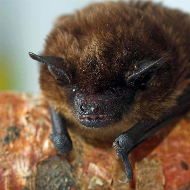
Image (c) Secret World.

Become a member or log in to add this story to your CPD history

Defra shares new Sanitary and Phytosanitary guidance

News Story 1
 Defra has published guidance for the vet sector ahead of a proposed UK-EU Sanitary and Phytosanitary agreement.


The agreement, which will change the movement and trade of animals and related products, could see reductions in checks, paperwork and certification. As well as describing regulatory developments, the advice highlights the importance of animal ID, registration and traceability in disease control and other compliance arrangements.

The guidance can be found here. More detail is expected as negotiations progress. 

Click here for more...
News Shorts
BSAVA publishes fifth Manual of Canine and Feline Neurology

The BSAVA has published the fifth edition of its BSAVA Manual of Canine and Feline Neurology.

The new edition has been reviewed and updated, including new developments in diagnostics, therapeutic approaches and clinical decision-making. It is structured to support clinicians through diagnosis, treatment and long-term management.

The guide features five new chapters covering acute myelopathies, chronic myelopathies, emergency protocols, neurotoxicology and neuro-oncology.

It also includes over 100 videos, including demonstrations of neurological examinations, clinical presentations and diagnostic procedures.

Nicola Lloyd, publishing manager, said: "Whether you're a general practitioner seeking practical guidance, or a specialist aiming to refine your expertise, this edition remains an indispensable reference for anyone involved in the care of neurologically compromised dogs and cats."
