


Struggling pet owners urged to 'think rescue first'
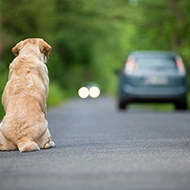
Battersea is concerned that some struggling owners could be putting their pets at risk by abandoning them.
Struggling pet owners are being urged to 'think rescue first' before giving up their pet.
Animal charity Battersea is concerned that struggling pet owners may not be aware of the help it can offer them, and that people could be putting their pets at risk by abandoning them or selling them online to the first available takers.
In recent weeks, the charity has been offering advice to owners through a dedicated behaviour line, as it could only accept animals on an emergency basis. Now, with the easing of lockdown, Battersea can take in unwanted cats and dogs again and is encouraging those in need to get in touch.
“We know there will be pet owners who are struggling, for whatever reason, to care for their dogs and cats, and we want them to know that we are here to help, whether it’s providing behaviour advice or finding a new loving home for their pet,” commented Rob Young, head of centre operations at Battersea.
“Contacting a rescue centre is the most responsible decision if you can no longer care for a dog or cat. If you bring them to a rescue like Battersea, you know they’ll be cared for and loved, and you’re giving them the best chance of finding a new happy home.”
Among Battersea's most recent arrivals include Staffordshire bull terrier, Henley, who was abandoned and tied to a lamppost in south-east London for over five hours before a concerned member of public bought her to the safety of Battersea. Domestic Short-hair cat Pretzel was found dumped in a box suffering from severe dental disease.
Border Collie puppy Tilly’s owners brought her into Battersea when their circumstances changed, and they could no longer care for her. Thanks to her owners making the responsible decision to bring her in, Tilly has now found a new home.
“In Tilly’s case, her owners really did the best thing for her. If she’d been left abandoned on the street or sold online, she could have easily ended up in the wrong hands,” said Rob “Battersea will always be here for animals that desperately need our help, like Pretzel and Henley. Fortunately, we haven’t seen many pets being abandoned on the street but even one or two are too many."


 Companies marketing medicines for small pets exempt from authorisation must submit their annual return to the Veterinary Medicines Directorate (VMD) by 30 November 2026.



