


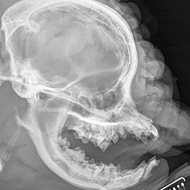
Rise prompts Brachycephalic Working Group to issue warning to potential buyers of 'flat-faced' breeds.
New figures released by the Kennel Club show the demand for French bulldogs surged dramatically during the coronavirus lockdown.
According to the data, searches for the breed on the Kennel Club's website increased by 225 per cent during April and May 2020, when many people were at home, compared to the same time last year.
Furthermore, according to the latest 2020 registration data, the French Bulldog is once again the UK’s top dog, with the highest puppy registrations of any breed from January to March 2020.
The figures are so bleak that they have promoted the Brachycephalic Working Group (BWG) to issue a warning about the increased demand.
The group, which includes vets, rescue organisations, breeders and scientists, says the demand could worsen the already serious health and welfare crisis faced by brachycephalic breeds. It is urging the public to ‘stop and think before buying a flat-faced dog'.
BWG chair Dan O’Neill commented: “We are concerned that some puppy buyers might not be fully considering or be aware of, the long-term responsibility and commitment that comes with getting a dog, especially a flat-faced dog.
“It’s vital that people stop and think. Getting a flat-faced puppy without being aware of the potential health and welfare issues they might face, especially if they are bred indiscriminately to meet demand, will have a devastating and long-lasting impact for thousands of dogs and owners in the UK.”
The impact of sudden and large increased population sizes is such a concern for researchers that the BWG has previously published a joint statement on this risk for dogs, alongside guidance on what can be done to help, on their website.
Dr O’Neill continued: “Rather than making an impulsive decision, or choosing a dog because it seems popular, cute or fashionable, we urge anyone considering buying a flat-faced breed to do their research first. It is true that some flat-faced breeds often have lovely characters, but do you really want to contribute to a welfare crisis where thousands of puppies are bred in appalling circumstances just to satisfy the huge demand for these breeds?
“Our message could not be clearer: Stop and think before buying a flat-faced breed.”
Image (C) Rachel Hattersley/Veterinary Practice Today.


 Companies marketing medicines for small pets exempt from authorisation must submit their annual return to the Veterinary Medicines Directorate (VMD) by 30 November 2026.



