


Greater legal protections for service animals in Scotland
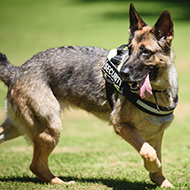
Finn's Law will make it harder for those who harm service animals to claim they were acting in self-defence.
New legal protections for service animals and increased prison sentences for animal cruelty are to be introduced in Scotland.
The move follows the passing of the Animals and Wildlife Bill in Scottish Parliament on Wednesday (17 June) and will see maximum jail sentences for those convicted of animal cruelty increase from six months to five years.
It will also see the introduction of Finn's Law, making it harder for those who harm service animals, such as police dogs and horses, to claim they were acting in self-defence.
Animal welfare enforcement agencies will also receive new powers, enabling them to take animals into their care without the need for a court order.
“This Bill is an important milestone in Scotland’s long tradition of protecting our animals and wildlife,” commented rural affairs minister Mairi Gougeon. “The increased maximum available penalties reflect the seriousness of some of the very cruel crimes seen against domestic and wild animals - although these cases are thankfully rare.”
Welcoming the news, the Scottish Society for the Prevention of Cruelty to Animals (SSPCA) – which has long campaigned for the new law - described it as 'game-changing' for both animals and the organisation.
“This is a momentous day for animal welfare in Scotland,” said Scottish SPCA chief executive Kirsteen Campbell. “The proposals which will be enshrined in law will deliver wholesale, transformational change for animals nationwide.”
She added: “The inconsistency of sentences handed out to those guilty of animal cruelty has long been a frustration. We are hopeful increased sentencing and unlimited fines will act as a greater deterrent to people in mistreating animals and ensure the punishments befits the crime for the worst offences, such as animal fighting and puppy farming.”


 Companies marketing medicines for small pets exempt from authorisation must submit their annual return to the Veterinary Medicines Directorate (VMD) by 30 November 2026.



