


African swine fever vaccine moves step closer
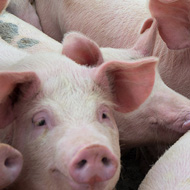
"It is very encouraging to see that the genes we have selected are able to protect pigs against ASF".
Scientists from the Pirbright Institute say they are 'one step closer' to finding a vaccine for African swine fever (ASF).
The announcement comes in response to a trial, in which 100 per cent of pigs vaccinated with the new vaccine survived a lethal dose of the ASF virus. The findings are published in the journal Vaccines.
The vaccine uses a non-harmful virus to deliver eight strategically selected genes from the ASF virus (ASFV) genome into pig cells. Once inside the cell, the genes produce viral proteins which prime the pig immune cells to respond to an ASF infection.
The trial showed that pigs immunised with the vaccine were protected from severe disease after challenge with an otherwise fatal strain of ASFV. However, some clinical signs of disease did develop.
“It is very encouraging to see that the genes we have selected are able to protect pigs against ASF,” commented Dr Chris Netherton, head of Pirbright’s ASF Vaccinology Group. “Although the pigs showed clinical signs of infection after challenge with the virus, our study has shown for the first time that a vectored vaccine against ASF is a realistic possibility.”
Researchers say this type of vaccine will also enable the differentiation of infected animals from those that have received a vaccine. This is important because it allows vaccination programmes to be established without sacrificing the ability to trade.
“Our next step will be to uncover the mechanisms behind how the proteins produced by the virus genes stimulate the immune system so we can refine and add to those included in the vaccine to improve effectiveness” added Dr Netherton.
Commenting on the findings, UK chief vet Christine Middlemiss said: “This is a very encouraging breakthrough and it means we are one step closer to safeguarding the health of our pigs and the wider industry’s role in global food supply from African swine fever.
"While there has never been an outbreak of African swine fever in the UK, we are not complacent and already have robust measures in place to protect against animal disease outbreaks."


 Defra has published guidance for the vet sector ahead of a proposed UK-EU Sanitary and Phytosanitary agreement.



