
Your data on MRCVSonline
The nature of the services provided by Vision Media means that we might obtain certain information about you.
Please read our Data Protection and Privacy Policy for details.

In addition, (with your consent) some parts of our website may store a 'cookie' in your browser for the purposes of
functionality or performance monitoring.
Click here to manage your settings.
If you would like to forward this story on to a friend, simply fill in the form below and click send.

Your friend's email:
Your email:
Your name:
 
 
Send Cancel

Weight gain in horses a major concern for owners, survey finds
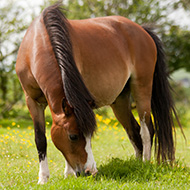
More than 50 per cent of horse owners said their biggest feed-related concern during lockdown was weight gain.

Researchers assess the impact of lockdown on horses' routines.

More than half of horse owners in the UK have expressed concern about their horses gaining weight during lockdown, according to new survey results.

Some 54 per cent of horse owners said their biggest feed-related concern during this time was weight gain, while 41 per cent were worried about laminitis.

The worrying findings come from an online survey conducted by feed manufacturer SPILLERS to find out more about the effects of lockdown on horses' routines.

It found that while 65 per cent of respondents had not changed their management routine during lockdown, 12 per cent said they were now turning their horses out 24/7. An additional nine per cent had introduced strip grazing or a grazing muzzle to manage grass intake.

Furthermore, it found that those who had been previously riding had now stopped and, in answering the question about feed-related concerns, 21 per cent of respondents were worried about fizzy or excitable behaviour.

In response to the findings, SPILLERS is drawing attention to its online library of resources and has produced additional tips for horse owners to minimise the risk of weight gain in their animals.

SPILLERS marketing and research development director Clare Barfoot said: “We organised the survey to see where and how people might need support and guidance for their horses during this very difficult time.

“Obesity and laminitis are serious issues, especially now that the grass is growing in abundance and, in particular, 24/7 turnout coupled with reduced exercise can significantly increase the risks. Now that the BEF has revised its advice and more people are likely to start riding again, excitable horses and fizzy behaviour may also become a bigger concern.

“We are now actively signposting owners towards our collection of online blogs, tips and advice to help owners minimise the risk of weight gain and reduce excitability in their horses.”

Become a member or log in to add this story to your CPD history

FIVP publishes CMA Compliance Checklist

News Story 1
 FIVP has published a CMA Compliance Checklist to support independent practices with the Market Investigation Order.

The document includes deadlines for small and large businesses, with tick boxes for each of the tasks. The organisation also invites practices to contact them for support with requirements.

Rita Dingwall, FIVP chair, said: FIVP appreciates that navigating the new CMA requirements can feel daunting. We hope this checklist will make things a little easier, helping independent practices work through what is required with confidence. 

Click here for more...
News Shorts
APHA launches free virtual work experience programme

The Animal and Plant Health Agency (APHA), in collaboration with Springpod, has launched a free virtual work experience programme, giving young people across the UK the chance to explore careers dedicated to protecting animal and plant health.

The on-demand programme offers a unique insight into career opportunities within APHA, showcasing how students can contribute to tackling some of the UK's most critical biosecurity and environmental challenges.

Designed for students aged 13 and over, the course includes more than 10 hours of engaging content featuring real-life industry insights, scenario-based challenges, and practical guidance on applying for jobs. To register for the course, visit the APHA website.

