


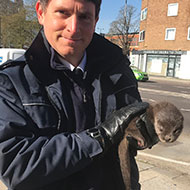
RSPCA thanks veterinary staff for their continued support
The RSPCA has thanked the veterinary profession for its continued support during the COVID-19 coronavirus lockdown.
The animal charity is working tirelessly to maintain an emergency animal welfare service, but said there may be occasions where it is unable to attend cases, and that this demand could impact local veterinary practices.
RSPCA chief veterinary officer Caroline Allen praised vets who were continuing to provide essential care to animals during this difficult time:
“This is an incredibly challenging time for the RSPCA, trying to advise the public and keeping emergency services going with fewer staff, strained resources and in line with Government advice,” she said. “I know this is equally stressful and challenging for vet staff too and I wanted to say a huge thank you from everyone at the RSPCA for your hard work, dedication and support you are giving the RSPCA.”
The RSPCA has a team of frontline officers, 17 animals centres, four wildlife centres and four animal hospitals across England and Wales. Current guidance from the BVA defines emergency and urgent treatment as:
Emergency: Immediate threat to life; significant impact on health/welfare and likely to deteriorate if left unmanaged. Previously these cases that would have been seen out of hours, or fitted in on the same day.
Urgent: Significant impact on health/welfare but currently stable, or moderate impact but significant risk of deterioration.
The animal welfare charity said there are some circumstances where animals have been subject to abuse or severe neglect, and may not initially appear to be an “emergency” in the traditional sense. But it stressed that its officers will still be collecting them 'if there is a significant impact on health/welfare and likely to deteriorate if left unmanaged,’ as set out in the BVA emergency criteria.
Ms Allen continued: “Our National Control Centre will also be following the guidance from the BVA and will be limiting, wherever possible, sending members of the public to vets. However, on occasions where there is a welfare need that would justify an essential journey, we will always ask members of the public to call practices first and follow their social distancing protocols.
“We do understand and appreciate the current restrictions being put in place by the BVA and we do understand the very serious strain on practices and teams at this time and we hope that we can continue to work together during this unprecedented time.”
Image (C) RSPCA.


 Companies marketing medicines for small pets exempt from authorisation must submit their annual return to the Veterinary Medicines Directorate (VMD) by 30 November 2026.



