


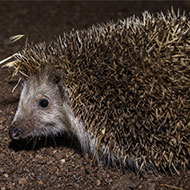
Native hedgehogs thriving in some areas but less so in others
Hampstead Heath is currently home to one of the largest hedgehog populations in London, according to new research.
The study led by scientists from ZSL’s London HogWatch programme involved placing hundreds of camera traps in green spaces across the city. The cameras recorded any wildlife spotted over two weeks throughout 2019.
Researchers found hotspots of hedgehogs populations in the north and west of London, compared to the south-east of the capital. So far, the largest population found is in Hampstead Heath, North Greater London.
In the west of the city, 62 sightings were recorded, with hedgehogs spotted on 13 of the 30 cameras set up in the WWT Wetland centre alone. The cameras also spotted fragmented distributions of hedgehogs on Putney Lower Common and across Barnes.
In the south of London, however, the picture is very different. Out of the 65 camera locations, which included Dulwich Park, Peckham Rye and Common, only one hedgehog was spotted. The discovery has left researchers baffled as to why they weren’t being recorded.
Records of foxes sighted in south London show these areas generally support wildlife - and foxes and hedgehogs often live side by side. One theory for the lack of sightings is that, because hedgehogs are occasionally seen in this area, they could be living in private gardens, parks and school grounds.
PTES’ intern Rachel Cates, explains: “Interestingly, the habitat in the green spaces we investigated in the Southwark area is very similar to the areas where hedgehogs appear to be doing well. We don’t know why hedgehogs would be doing so well in some areas, but less so in others, when the habitats look similar.
"One explanation could be that these areas are isolated from larger green spaces, meaning there are no safe passages to enable hedgehogs to access these sites from outside.”
PTES’ grants manager Nida Al-Fulaij, added: “It’s not surprising that the distribution of hedgehogs across London is patchy; London’s infrastructure is continuously growing and many of its green spaces are becoming harder for hedgehogs and other wildlife to access. The population in Regent’s Park is well-known and well-studied, but little is known about how hedgehogs are doing in other parts of the city.
“The next step is to understand why hedgehogs are doing well in some areas, but less so in others, which is why Rachel and Chris’ work is so important. By helping us understand where hedgehogs are living and in what habitats, gives us the best chance of successfully helping them.”


 Veterinary practices are being urged to help owners safely dispose of any unused and expired pet medicines - not just antibiotics - during November's Animal Medicines Amnesty.



