


New study highlights extent of AMR gene ‘pollution’ in livestock production
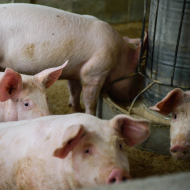
Researchers from Scotland’s Rural College (SRUC) have discovered a high number of antimicrobial resistance (AMR) genes in pig faeces at a commercial farm.
Antimicrobial agents are used regularly to control disease in livestock, but little is known about how this impacts antimicrobial resistance gene dynamics. This has raised concerns about the possibility of AMR genes being transferred from livestock to humans and into the environment.
Conducted alongside the University of Edinburgh’s Roslin Institute, this was the first longitudinal study of its kind. Carried out during a single production cycle on a commercial pig farm with high antimicrobial usage.
In total, 144 different genes were identified. Individual genes were present in the tens, hundreds and thousands of millions per gram of pig faeces. SRUC states that this unexpected discovery highlights the extent of AMR gene pollution in livestock production and the environment.
The results also suggested that the genes had become integrated into the faecal microbial community, as AMR gene counts remained relatively stable over time.
However, despite these high and somewhat stable levels of AMR genes, the antimicrobials used were still effective in controlling production-limiting diseases on the farm.
Professor Michael Hutchings, head of animal and veterinary sciences at SRUC, commented: “At the start of the study we hoped to find two or three genes to follow their numbers through the pig production cycle. The richness of AMR genes and their numbers were unexpected.”


 Eligible members of BEVA will be able to vote for their Council team until Monday, 17 August 2026. Members will have received an election email on 17 July.



