


Scottish wildcats given lifeline
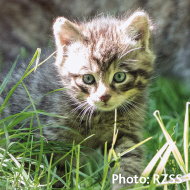
The first release of wildcats is expected in 2022
A report published in February by the International Union for Conservation of Nature ((IUCN) Cat Specialist Group concluded there is no longer a viable wildcat population living wild in Scotland – with hybridisation with domestic and feral cats the major threat to their survival. This means the extinction of the species is highly likely without wildcat releases.
Although some similarities with domestic tabby cats exist, the two species are not to be confused. The Scottish wildcat is the same subspecies of wildcat found in continental Europe but has been separate since the end of the last Ice Age, around 9,000 years ago.
Now the wildcats in Scotland have been handed a vital lifeline, with European funding secured to deliver a Saving Wildcats (#SWAforLIFE) recovery project that includes the development of the UK’s first wildcat reintroduction centre.
Situated at the Royal Zoological Society of Scotland (RZSS) Highland Wildlife Park near Aviemore, the centre will provide facilities for breeding, veterinary care, remote monitoring and training, with wildcats potentially being released into Cairngorms National Park.
Over the next six years, the RZSS will lead the Saving Wildcats project which will build on the work of the Scottish Wildcat Action partnership, supported by a £3.2 million EU LIFE grant and co-funding from the Garfield Western Foundation, the National Trust for Scotland, the People’s Trust for Endangered Species and the European Nature Trust.
The wildlife conservation charity will work with Scottish Natural Heritage, the Cairngorms National Park Authority, Forestry and Land Scotland, as well as European partners Norden’s Ark from Sweden and Spain’s Junta De Andalucía, which have led the successful recovery of the Iberian lynx. The plan is to release the first wildcats in 2022, with potential locations being explored in the Cairngorms.
Helen Senn, head of conservation and science programmes at RZSS, said, “Wildcats are on the brink of extinction in Scotland but it’s not too late. With funding in place, it is tremendously exciting to begin the UK’s first wildcat release project and bring together all the necessary resources and expertise to make it happen.
“With the first wildcats expected to be released into the wild in 2022, now is the time for a public discussion on domestic and feral cat populations, and how we manage these, and the public will have an important role in helping minimise future hybridisation. Responsible cat ownership, including microchipping, neutering and vaccinations, is one way we can help reduce devastating effects on wildcats.”
The reintroduction centre will, however, not be open to Highland Wildlife Park visitors.


 A nationwide roadshow offering free, personalised parasite risk assessments and flea and tick checks will be visiting popular dog events across the UK.



