


Butterflies, moths and mammals hit particularly hard
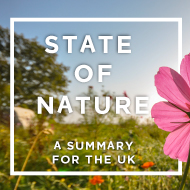
UK wildlife populations have fallen by 41 per cent since 1970, according to a report published by the National Biodiversity Network.
The State of Nature 2019 report also reveals more than a quarter of species in the UK are facing extinction. The cause of the losses on land are attributed to the intensification of farming, pollution and the destruction of habitats for housing.
Unsustainable fishing and climate change are thought to be having the most significant impact at sea.
Lead author Daniel Hayhow said: “We know more about the UK’s wildlife than any other country on the planet, and what it is telling us should make us sit up and listen. We need to respond more urgently across the board if we are to put nature back where it belongs.”
The State of Nature Report was compiled by more than 70 conservation charities, research institutions and government organisations. It presents, for the first time, the clearest picture to data on the state of the UK’s biodiversity.
Butterflies and moths have been hit particularly hard, with numbers down by 17 per cent and 25 per cent respectively. The populations of species that require more specialised habitats, such as the high brown fritillary and grayling, have fallen by more than three quarters.
The UK’s mammal populations also fare badly, with more than 26 per cent of species at risk of disappearing altogether. The greater mouse-eared bat and the wild cat, for example, are teetering on the brink of extinction.
Daniel Hayhow continues: “In this report we have drawn on the best available data on the UK’s biodiversity, produced by partnerships between conservation NGOs, research institutes, UK and national governments, and thousands of dedicated volunteers. It’s through working together that we can help nature recover but the battle must intensify.”


 Companies marketing medicines for small pets exempt from authorisation must submit their annual return to the Veterinary Medicines Directorate (VMD) by 30 November 2026.



