


Cites: Trade ban to tackle ‘otter cafes’ craze
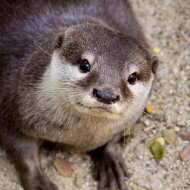
The online pet trade has emerged as a pressing threat to otters in Southeast Asia.
Cites has agreed to ban the international commercial trade in two species of otter, to protect them from being exploited for the pet trade.
Conservationists say there has been a peak in demand for otters as pets in Japan, linked to a growing number of ‘otter cafes’ that allow the public to interact closely with otters and other wild animals.
At the 18th meeting of Cites in Geneva (17-28 August) governments voted to list Asian small-clawed otters and smooth-coated otters on Appendix I, which provides the highest level of trade protection.
Both species are now classed as ‘vulnerable’ on the IUCN red list, and face a high risk of future extinction due to habitat loss, demand for skins and the pet trade.
Mark Simmonds, senior marine scientist at the Humane Society International (HSI), said the pet trade is increasingly proving to be the “downfall” of Asian small-clawed otters. Interest in these species is thought to be fuelled by photos and videos on social media, resulting in a fast growing market for otters as pets in Asia.
Mr Simmonds welcomed the move to ban international trade in these species, but added: “This isn’t the end of the story however. We urgently need other complementary conservation initiatives to truly tackle the otter’s demise, and so we hope that this new CITES listing will act as a call to action.”
Populations of both species are estimated to have declined by at least 30 per cent in 30 years, according to the International Fund for Animal Welfare (IFAW). The Cites trade database shows there were more than 250 seizures of 6,010 individual otters between 1980 and 2018.
Research by TRAFFIC also suggests the online pet trade has emerged as a pressing threat to otters in Southeast Asia. Between 734 and 1,189 otters were listed for sale on social media sites in the region in just four months (January to April 2017). Over 70 per cent of these animals were less than a year old.
HSI/India’s wildlife campaign manager Sumanth Bindumadhav added: “Appendix I listings will send an important and timely warning, not least to online and social media audiences, that these are imperilled species and that trade in them is harmful to their welfare and their overall species survival.
“We hope that it will also lead to additional trade controls, enhanced scrutiny of captive-breeding operations, and aid enforcement, given the challenge in distinguishing between tropical Asian otter species once in trade.”


 Defra has published guidance for the vet sector ahead of a proposed UK-EU Sanitary and Phytosanitary agreement.



