


CITES convention votes for move after staggering fall in giraffe numbers
Giraffes are to be given greater protection against unregulated trade after a vote by the Convention on International Trade in Endangered Species (CITES).
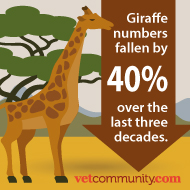
The move comes in response to the fact that giraffe numbers have fallen by as much as 40 per cent over the past decade. Fewer than 100,000 giraffes are estimated to remain in the wild today owing to poaching, habitat loss for agriculture and human-wildlife conflict.
Giraffes are hunted for their bushmeat, but their body parts are also used for clothing, furniture, and speciality knives.
According to BBC News, the motion to regulate the trade in body parts came from Kenya, Chad, the Central African Republic, Senegal, Mali and Niger. Here there has been a significant fall in giraffe populations.
But South African countries opposed the move, stating there was not enough evidence to support the notion that international trade was contributing to the giraffe’s decline.
Under the new rules, permits will be mandatory and countries will be required to record the export.
Speaking at a news briefing, Tom De Meulenaer, Cites' scientific services chief said: "The giraffe is, in the wild, much rarer than African elephants, much rarer. We are talking about a few tens of thousands of giraffes, and about a few hundreds of thousands of African elephants. So we need to be careful.”
But Julian Fennessy from IUCN’s giraffe and okapi specialist group said the protection was “not going to save giraffe in the wild”. He argued that increased financial and political support was needed, as well as more resources on the ground.


 Companies marketing medicines for small pets exempt from authorisation must submit their annual return to the Veterinary Medicines Directorate (VMD) by 30 November 2026.



