


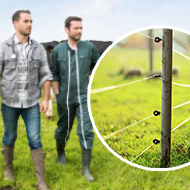
BVA makes recommendations on safe and responsible use
The BVA is encouraging vets to speak to their equine and farm clients about safe and responsible use of electric containment fences.
In a new position statement, launched this week, the BVA recognises that electric fences are necessary for many clients, but calls for more research into non-harmful alternatives for containing livestock and horses.
In the meantime, the organisation has made 13 recommendations to limit potential harm to humans and animals. Top tips include ensuring the strength of current is appropriate, maintaining batteries, attaching flags to fencing to make it visible and training animals to get used to fencing.
BVA president Simon Doherty said: “As vets, we know that electric containment fences are often a necessary part of rural life to allow animals to graze safely and efficiently. But we also recognise that they can harm or injure animals, especially if not correctly designed, installed or maintained.
“In our newly published position, we’re encouraging further research into alternative, non-harmful ways to contain livestock and horses. Until then, we’re supporting the responsible use of electric containment fences by providing vets with some top tips and references to kickstart conversations with their clients."
Summary of BVA recommendations:
- signpost to best practice guidance such as: National Equine Welfare Council (NEWC) Equine Industry Welfare Guidelines Compendium for Horses, Ponies and Donkeys and AHDB Electric fencing for livestock guidance
- make sure the strength of current is appropriate for the species to avoid severe shocks
- carefully maintain batteries used to power electric fences to avoid any damage that could cause leakage, environmental hazards or potential toxicity in livestock
- attach flags to fencing or other visual markers to make sure that the fence is visible to livestock and horses
- use highly visible tape- or rope-like electric fencing for horses
- train livestock and horses so that they can get used to fencing in a controlled environment. Guidance on training livestock is available in the AHDB Electric Fencing for Livestock Guidance
- quickly identify, monitor and remove animals who do not respond to training.


 Two independent vets have launched a podcast to help owners strengthen their bond with pets. Dr Maggie Roberts and Dr Vanessa Howie, who have worked in both veterinary practice and major charities, are keen to use their experience to enable people to give pets a better life.



