


Australian seagulls found to carry antibiotic resistant bacteria
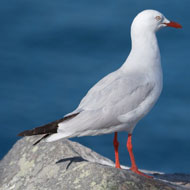
Silver gulls carry bacteria that are resistant to the commonly used antimicrobial drugs, cephalosporins and fluoroquinolones.
Seagulls across Australia carry antibiotic resistant bacteria that cause serious infections in humans, according to new research.
Scientists at Murdoch University, Perth, found that 20 per cent of silver gulls carry bacteria that cause infections such as E.coli, urinary tract infections and sepsis. Study leader Dr Sam Abraham said the problem was prevalent across Australia.
“Seagulls act as ecological sponges (bio-accumulators) and we have earmarked them as a potential reservoir for agents that may cause human disease,” he explained.
The study revealed that silver gulls carry bacteria that are resistant to the commonly used antimicrobial drugs, cephalosporins and fluoroquinolones. It also found resistance to carbapanem drugs - a class of antibiotics often used for severe infections - in birds from New South Wales and Victoria.
The researchers also found evidence of a seagull in Western Australia carrying resistance to the ‘last resort’ antibiotic, colistin. Study author Dr Mark O’Dea said it was the first time resistance to this drug has been recorded in an Australian wild animal.
“Our results have raised the concern that seagulls could be acquiring this pathogen through their opportunistic feeding habits where they scavenge from leftover human waste and may then be subsequently spreading these resistant bacteria over vast distances,” he said.
“Management of this issue will require examination of human waste sources to determine where gulls are acquiring these elements, and whether or not this can be managed.”
The study, Resistance to critically important antimicrobials in Australian silver gulls (Chroicocephalus novaehollandiae) and evidence of anthropogenic origins, is published in Antimicrobial Chemotherapy.


 Veterinary practices are being urged to help owners safely dispose of any unused and expired pet medicines - not just antibiotics - during November's Animal Medicines Amnesty.




