


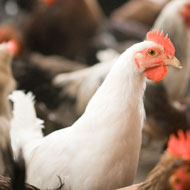
Findings increase likelihood of producing gene-edited chickens
Scientists at the University of Edinburgh have used gene editing techniques to prevent avian influenza virus spreading in laboratory-grown chicken cells.
Researchers say the findings increase the likelihood of producing gene-edited chickens that are resistant to the disease.
The team stopped the virus from spreading by removing a section of chicken DNA inside laboratory-grown cells. The next step will be to produce chickens with the genetic change.
“This is an important advance that suggests we may be able to use gene-editing techniques to produce chickens that are resistant to bird flu,” said Dr Mike McGrew, of the University of Edinburgh’s Roslin Institute. “We haven’t produced any birds yet and we need to check if the DNA change has any other effects on the bird cells before we can take this next step.”
In the study, scientists targeted a specific molecule inside chicken cells called ANP32A. Researchers at Imperial College London found that influenza viruses hijack this molecule during an infection to help replicate themselves.
Together with scientists at the University of Edinburgh’s Roslin Institute, the researchers then used gene-editing techniques to delete the section of DNA responsible for producing ANP32A. They found that the avian flu virus was not able to grow inside cells with the genetic change.
“Avian influenza resistance in broiler production is of global significance and this research is an important step toward that goal," commented Rachel Hawken of Cobb-Vantress, which provided the PhD student funding for the project.
"It is exciting for Cobb to be a part of exploring new technologies that could be used to advance poultry breeding in the future.”


 Veterinary practices are being urged to help owners safely dispose of any unused and expired pet medicines - not just antibiotics - during November's Animal Medicines Amnesty.



