


Scientists developing rapid diagnostic test for sheep scab
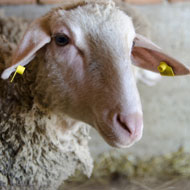
Sheep scab is a major welfare issue.
A rapid, point-of-care diagnostic blood test for sheep scab infestation is being developed by scientists at the Moredun Research Institute.
In a press release, Moredun said that it is working with veterinary diagnostics firm Global DX to complete the development and validation of the test.
‘Use of the test by veterinarians would enable them to rapidly diagnose sheep scab infestation before the appearance of clinical signs and importantly, without the need to send blood samples to a laboratory for analysis,’ the press release said. ‘Both of these points are highly important as they will allow for early interventions and treatments, thereby reducing the spread of disease.’
Sheep scab is an endemic disease in the UK and occurs in many sheep farming regions across the world. Caused by the parasitic mite Psoroptes ovis, the disease is a major welfare issue and affects the productivity of sheep farms.
For control programmes to be successful, it is critical that all infected animals are identified as soon as possible. However, this can prove difficult because, during the early stages of sheep scab, infestations are not always obvious.
'Results from a pen-side diagnostic are almost immediate,' Moredun continued. 'The new point of care test format will, therefore, significantly speed up the testing process.'
The test is highly specific because it detects host antibodies to a specific protein found only in the sheep scab mite. This means that it can accurately detect that an infestation is due to the scab mite and not another ectoparasite - both of which are critical for early intervention and in the administration of the correct treatment.
“We are delighted to collaborate with Global DX to further develop this test; the company has significant experience in the development and commercialisation of point of care tests for the veterinary market,” said Dr Stewart Burgess who is developing the diagnostic test at Moredun.
Andrew Shepherd, founder and CEO of Global DX added: “We are delighted to collaborate with Moredun to bring the new test to market enabling the sheep industry to combat sheep scab infestation in their flocks.”


 Companies marketing medicines for small pets exempt from authorisation must submit their annual return to the Veterinary Medicines Directorate (VMD) by 30 November 2026.



