


Scientists set to develop animal-free model of human airways
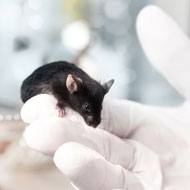
It is hoped the project will prevent experiements on or with animals.
Scientists at Aston University are developing an animal-free model of the human airways, to be used for testing the toxicity of e-cigarettes.
It is hoped that the project, announced ahead of World No Tobacco Day (31 May), will prevent experiments on or with animals, as questions are raised about the long-term effects of e-cigarettes.
In the USA, such experiments are already taking place, in which animals are exposed to vapours for weeks or months on end. After the experiment, the animals are usually killed so that their tissues can be analysed.
The UK does not currently use animals to test e-cigarettes. If a manufacturer wanted to register them as an aid to quit smoking, however, they would be required under new regulations to have them tested as medicinal products, which may increase the chance of animal testing.
Jan Creamer, president of Animal Defenders International, which is funding the study, said: “Public outcry at smoking experiments led to them being ended, therefore the public, including those who vape, would be concerned to see animal tests for an alternative smoking product.
“We are excited to be funding the development of this innovative project which will save animals and provide accurate human-based data. It will also advance the way human cell lines can be maintained which could have far-reaching effects.”
Foetal calf serum (FCS) is the standard method used by researchers as the medium to grow human cell lines. However, this has raised ethical concerns owing to its collection method.
In this novel project, researchers will use multiple cell types submerged in medium without FCS. The cells will be tested and the results compared to previous data from cells grown with FCS.
The researchers will then test these cells under a “dynamic flow system” which more accurately mimics the environment in human airways. The model will then be used to see how the cells respond to e-cigarette exposure.
Project leader Dr Laura Leslie said: “The use of foetal calf serum to grow human cells, although currently standard practice, can present scientific challenges.
“By developing an entirely animal-free model, we hope to set the standard for a completely human-relevant method for investigating the effects of e-cigarettes on the human airways, an area where there is currently a lack of information.”


 The RCVS has announced a new version of its 1CPD mobile app, with enhanced features for veterinary surgeons and veterinary nurses to record their continuing professional development.



