


Rise in Asian otters being kept as pets
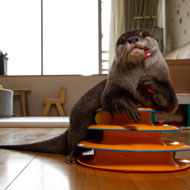
An increasing number of people are keeping otters as pets in Southeast Asia.
Asian otters are on the verge of extinction thanks to a rise in people keeping them as pets, according to charity World Animal Protection (WAP).
The organisation says there’s a ‘dramatic and troubling’ surge in exotic animals being kept as pets in Southeast Asia, with the latest otter craze being fuelled by social media influencers and interactive ‘otter cafes’.
An undercover investigation by WAP revealed the illegal hunting, trafficking and breeding of otters across Thailand, Japan and Indonesia to satisfy the increasing demand. It found that otter cubs are being snatched from their parents in the wild and unearthed evidence of laundering through captive breeding facilities.
The investigation also uncovered reported incidents of suggested involvement of government in facilitating the trade. In one report from Indonesia, a government worker requested operations on otters to remove the gland that causes them to smell, to make them more appealing as pets.
More than a dozen animal cafes in Japan feature otters and it was here that WAP found that welfare is being compromised for the sake of entertainment.
The otters can be heard whimpering and making distress calls while customers are interacting with them, the report notes. When not interacting with customers, they are being kept in cramped, solitary conditions with no natural light or access to water.
Cassandra Koenen, global head of Wildlife not Pets says: “Just because a wild animal is cute, it does not mean you should take it home with you. Unfortunately, this fact appears to be lost on many people as they are influenced by social media, and influencers showing them off as fun and cool pets.
“Once otters are in people’s homes, there is no realistic way to replicate the space and freedom these animals would have in the wild. Many animals are kept in spaces vastly smaller than their natural habitats and they don’t have the correct nutrition, even if owners have their best intentions to feed them properly.”


 Companies marketing medicines for small pets exempt from authorisation must submit their annual return to the Veterinary Medicines Directorate (VMD) by 30 November 2026.



