


Hyalomma tick confirmed in untravelled UK horse
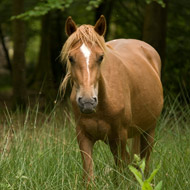
Horses are important hosts of Hyalomma sp. adults.
A Hyalomma rufipes tick has been reported in the UK for the first time, scientists have confirmed.
Writing in the journal Tick-Borne Diseases, researchers said the tick had been identified as a male Hyalomma rufipes and that it had tested positive for Rickettsia aeschlimannii, a disease associated with humans in Africa and Europe.
The tick was sent to Public Health England in September 2018 for identification. It was sent by a vet who had removed it from a horse in Dorset, which had no history of overseas travel.
Researchers say the horse's lack of travel indicates this could be the first evidence of successful moulting of a Hyalomma nymph in the UK.
It has been suggested that the tick may have come into the UK via a migratory bird as an engorged nymph. The nymph was then able to complete its moult to adult stage and find a suitable host, researchers said.
‘This highlights that passive tick surveillance remains an important method for the detection of unusual species that may present a threat to public health in the UK,’ the authors conclude.
'Horses are important hosts of Hyalomma sp. adults in their native range, therefore, further surveillance studies should be conducted to check horses for ticks in the months following spring bird migration; when imported nymphs may have had time to drop off their avian host and moult to adults.’


 Two independent vets have launched a podcast to help owners strengthen their bond with pets. Dr Maggie Roberts and Dr Vanessa Howie, who have worked in both veterinary practice and major charities, are keen to use their experience to enable people to give pets a better life.



