


Vets receive funding boost to tackle BVD
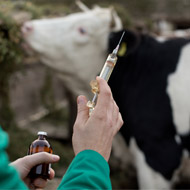
Vets that have already signed up to the scheme have pledged to engage 8,000 farmers in active BVD control by 2020.
Vets in England have been given £5.7 million in funding as part of a campaign to tackle Bovine Viral Diarrhoea (BVD).
The Stamp It Out project was launched by Defra in summer 2018 and has so far recruited 120 veterinary practices across England to offer the programme to farmers.
Neil Carter of SAC Consulting, which is delivering the project, said: “To have allocated all of the money only six months into delivery is fantastic. It shows that the industry has a real desire to control and eradicate the disease from our national herd.”
Under the scheme, farmers can access up to £530 of their vet’s time to investigate BVD either on a one-to-one basis or through a series of cluster meetings. They can also access £61.80 for preliminary testing work and up to £440 where there is evidence of persistently infected animals.
Vets that have already signed up to the scheme have pledged to engage 8,000 farmers in active BVD control by 2020.
Neil continued: “My advice for farmers is to speak to your vet to find out whether they have signed up already. Any vets contacting us to get involved from now on will be put on a waiting list, and we will wait and see if any vets already engaged struggle to sign up their clients.
“On current experience, though, vets have come back asking for more funding rather than less.”
A Defra spokesperson said: “Nearly £6 million of funding has already been allocated as part of the Stamp It Out initiative, highlighting that our vets clearly understand the need to eradicate this damaging disease.
“Bovine Viral Diarrhoea has a real impact on productivity, cattle health and welfare and can carry significant costs for farmers. We are pleased that we have been able to provide this funding for farmers to get help in tackling BVD and reducing their costs and anti-microbial use.”


 Veterinary practices are being urged to help owners safely dispose of any unused and expired pet medicines - not just antibiotics - during November's Animal Medicines Amnesty.



