


Endangered shark species sold in UK chip shops, study finds
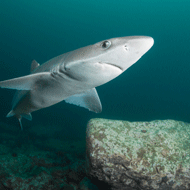
Fishing for spiny dogfish is banned under EU rules in most circumstances.
Scientists have found endangered species of hammerhead, dogfish and other sharks on sale for consumption in the UK.
DNA barcoding was used to look at 78 shark samples from chip shops, 39 from fishmongers, 10 fins from a wholesaler and 30 fins seized by UK Border Force as they travelled from Mozambique to Asia.
The majority of chip shop samples were found to be spiny dogfish, which is endangered in Europe and vulnerable worldwide. Products were being sold under generic names such as huss, rock salmon and rock eel.
Fin samples included scalloped hammerheads, which are endangered globally and subject to international trade restrictions. The fins from the UK wholesaler also included other threatened sharks such as shortfin mako and smalleye hammerheads.
Other species found on sale in fishmongers and chip shops included starry smooth-hounds, nurse hounds and blue sharks.
Fishing for spiny dogfish is banned under EU rules in most circumstances. Whilst researchers said these samples could have been sourced from more sustainable stocks elsewhere, the findings highlight the problems of labelling shark meat with ‘umbrella’ terms that cover multiple species.
First author Catherine Hobbs, from the University of Exeter, said: “It’s almost impossible for consumers to know what they are buying. People might think they’re getting a sustainably sourced product when they’re actually buying a threatened species.
“There are also health issues. Knowing what species you are buying could be important in terms of allergies, toxins, mercury content and the growing concern over microplastics in the marine food chain.”
Researchers are calling for more accurate food labelling so people can make informed choices about what shark species they eat. The research has been published in Scientific Reports.


 Veterinary practices are being urged to help owners safely dispose of any unused and expired pet medicines - not just antibiotics - during November's Animal Medicines Amnesty.




