
Your data on MRCVSonline
The nature of the services provided by Vision Media means that we might obtain certain information about you.
Please read our Data Protection and Privacy Policy for details.

In addition, (with your consent) some parts of our website may store a 'cookie' in your browser for the purposes of
functionality or performance monitoring.
Click here to manage your settings.
If you would like to forward this story on to a friend, simply fill in the form below and click send.

Your friend's email:
Your email:
Your name:
 
 
Send Cancel

A third of pet owners reveal their animals have alerted them to danger
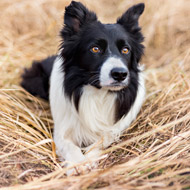
Animals are often affected by poisonous fumes more quickly.
Study reveals pets can save lives

A study by npower on the effects of carbon monoxide poisoning has revealed that a third of pet owners have been warned of danger by their pet.

Two thousand pet owners were surveyed and results show that hazards including fire and carbon monoxide leaks have been detected by their animal companions.

A carbon monoxide leak cannot be smelt, seen or tasted and early symptoms of poisoning commonly include vomiting, excessive tiredness and erratic behaviour. The study revealed that 1 in 10 people are not aware that exposure can be fatal, yet carbon monoxide poisoning causes approximately 50 deaths every year in the UK.

One survey responder commented: “One evening, three years ago, I passed out on the sofa whilst watching television and my seven-year-old Collie licked me non-stop to wake me up. I was able to get up and went out for fresh air in good time. I later found out that the gas fire was giving off high readings of carbon monoxide as was the cooker.”

Further examples from the study of heroic pet action include a dog who barked repeatedly to alert a new parent that their baby was having a convulsion; an owner who was woken from a hypoglycaemic attack; and a pet which became agitated after inhaling carbon monoxide and subsequently made the owner aware of the leak.

When compared to humans, animals are often affected by poisonous fumes more quickly. The smaller the body, the faster the symptoms generally develop.


Become a member or log in to add this story to your CPD history

Defra shares new Sanitary and Phytosanitary guidance

News Story 1
 Defra has published guidance for the vet sector ahead of a proposed UK-EU Sanitary and Phytosanitary agreement.


The agreement, which will change the movement and trade of animals and related products, could see reductions in checks, paperwork and certification. As well as describing regulatory developments, the advice highlights the importance of animal ID, registration and traceability in disease control and other compliance arrangements.

The guidance can be found here. More detail is expected as negotiations progress. 

Click here for more...
News Shorts
BSAVA publishes fifth Manual of Canine and Feline Neurology

The BSAVA has published the fifth edition of its BSAVA Manual of Canine and Feline Neurology.

The new edition has been reviewed and updated, including new developments in diagnostics, therapeutic approaches and clinical decision-making. It is structured to support clinicians through diagnosis, treatment and long-term management.

The guide features five new chapters covering acute myelopathies, chronic myelopathies, emergency protocols, neurotoxicology and neuro-oncology.

It also includes over 100 videos, including demonstrations of neurological examinations, clinical presentations and diagnostic procedures.

Nicola Lloyd, publishing manager, said: "Whether you're a general practitioner seeking practical guidance, or a specialist aiming to refine your expertise, this edition remains an indispensable reference for anyone involved in the care of neurologically compromised dogs and cats."