


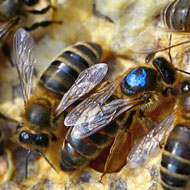
Entire genetic profile of bees is analysed to interpret disease threat in colonies
The Roslin Institute at the University of Edinburgh has conducted research on the UK’s native honey bees. The research included the analysis of the genetic make-up of microorganisms that live inside bees in order to gain understanding of emerging diseases.
Bees are vital for crop pollination and have been considered endangered in the UK.
Experts found that results from some Scottish hives were genetically similar to that of the UK’s native dark honey bee. These results are encouraging as it suggests that native bees are better at surviving in colder climates than southern European bees; even though the latter group have been imported to the UK for many years.
The results also discovered previously unseen microorganisms inside bees that could potentially have disease-causing properties. Infected hives may be at a greater risk of developing other illnesses. Researchers say that this knowledge could help to improve health monitoring in bee populations and in safeguarding against disease.
Dr Tim Regan, a University of Edinburgh postdoctoral research fellow, concluded: “We have created a platform that could revolutionise how we monitor threats to honey bees and maintain their health. The decreasing cost of DNA sequencing could potentially allow this type of analysis to become routine.”
Image (c) The Roslin Institute


 Veterinary practices are being urged to help owners safely dispose of any unused and expired pet medicines - not just antibiotics - during November's Animal Medicines Amnesty.



