


EMA report shows fall in sales of veterinary antimicrobials
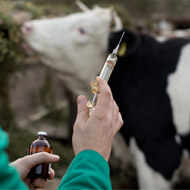
Sales of veterinary antimicrobials across Europe fell by more than 20 per cent between 2011 and 2016.
Overall sales of veterinary antimicrobials across Europe fell by more than 20 per cent between 2011 and 2016, according to figures published by the European Medicines Agency (EMA).
The figures, taken from the EMA’s eighth annual report on sales of veterinary antibiotics, show a drop of almost 40 per cent in sales of polymyxins. This particular class of antibiotics includes colistin, a last resort treatment in patients with bacterial infections resistant to other antibiotics.
They also show there was a significant fall in sales of third and fourth generation cephalosporins (15.4 per cent) and quinolines (13.6 per cent).
The results form part of the EMA’s report of the European Surveillance of Veterinary Antimicrobial Consumption (ESVAC) project. This presents sales data for the year 2016 and records annual changes in the consumption of veterinary antimicrobials dating back to 2010.
Thirty countries from across the EU and the European Economic Area submitted data on sales of veterinary antimicrobials for 2016. Of these, 25 EU member states provided figures for the period between 2011 and 2016.
The EMA attributes the results to the combined efforts of the European Commission, EMA, EU Member States, veterinary surgeons, farmers and other players in the livestock sector.
‘EU guidance together with national campaigns for prudent use of antibiotics in animals, sales targets and restriction of use of some antimicrobials in food-producing animals are among the actions implemented to reduce the sales of veterinary antimicrobials across Europe under the umbrella of the EU One Health Action Plan against Antimicrobial Resistance,’ said an EMA spokesperson.
‘Led by the European Commission, the overarching goal of this plan is to preserve the possibility of effective treatment of infections in humans and animals through a framework for continued, more extensive action to reduce the emergence and spread of AMR.’
While the report shows that 25 EU member states saw a decrease in sales of veterinary antimicrobials, it also shows the situation is not consistent across Europe. Six of the 25 countries recorded an increase of more than five per cent in sales during the same period.
The EMA notes that, given the marked fall in the sales of antimicrobials seen in some countries, there is also a potential for a decrease of antimicrobial use in other countries, especially in those with high consumption.


 Veterinary practices are being urged to help owners safely dispose of any unused and expired pet medicines - not just antibiotics - during November's Animal Medicines Amnesty.



