


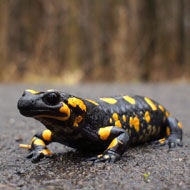
Efsa recommendations to protect pet and wild amphibians
An emerging fungal pathogen has been detected in captive and wild salamanders across five EU member states, a new report shows.
Batrachochytrium salamandrivorans (Bsal) was first identified in 2013 and causes a fatal skin disease in non-resistant species.
Despite limited surveillance, the pathogen has been seen in pet salamanders in the UK, Belgium, Germany, Spain and the Netherlands, according to a new report by the European Food Safety Authority (Efsa).
It has also been detected in wild populations in some parts of Belgium, Germany and the Netherlands.
As surveillance is limited, however, the pathogen could be more widely spread than currently known.
To ensure safer trade of live salamanders in the EU and internationally, Efsa suggested a potential ban or restrictions on salamander imports, though the authority noted that this could also boost the illegal trade. Other methods include hygiene procedures, good practice manuals and efforts to identify and treat infected pets.
In the wild, Efsa recommended preventing the translocation of wild amphibians, as well as the release/return to the wild of captive or temporarily housed salamanders. Contact points and emergency teams should also be set up for passive surveillance.
Other recommendations in the report include:
- enhance surveillance
- introduce a harmonised protocol on Bsal detection in the EU
- raise awareness of Bsal among breeders, keepers and pet shops
- put together guidelines on hygiene procedures
- movements of captive salamanders should be based on health status (Bsal negative)
- improve data on salamander abundance and distribution.


 Eligible members of BEVA will be able to vote for their Council team until Monday, 17 August 2026. Members will have received an election email on 17 July.



