


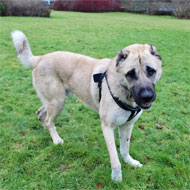
Illegal ear cropping thought to be taking place in the UK
The public are being urged never to buy a dog with cropped ears, after the RSPCA revealed there has been a surge in reports about this illegal practice.
While it is illegal to crop a dog’s ears under the Animal Welfare Act, the charity says 36 reports came through to its cruelty hotline last year, representing an increase of 157 per cent over a two-year period.
The RSPCA fears the ‘look’ is becoming more popular, due to images being shared on social media - particularly in countries where the practice is legal or unregulated, such as the USA or in Europe.
An officer from the Special Operations Unit, who works covertly and cannot be named, said: “We believe ear cropping is being carried out illegally in this country. And we also believe that many breeders, sellers and buyers are sending dogs abroad to have their ears cropped before bringing them back home.
“This is going on within certain close-knit breed groups so we believe that many cases are slipping through the net unnoticed and that the issue is actually much bigger than we are aware.”
The RSPCA said there is a concerning trend for certain bull breeds to have cropped ears, including American bullies, cane corsos, presa canarias and Dobermans. Dogs often have their ears cropped as puppies; sometimes as young as six weeks old. The charity is aware of four different types of crop that are used for different reasons and breeds - battle, short, show and long crop.
Chief inspector Mike Butcher said: “There’s a cultural shift in what is popular. Social media, celebrity culture and imagery used in advertising is seeing that trend moving towards these bull breed type dogs, many of which have cropped ears. Ear cropping is becoming normalised and that’s something we need to put a stop to.
“We also think that many people simply aren’t aware that ear cropping is illegal. In some cases, people are misleadingly told that a cropped ear is more natural for the dog. That’s why it’s so important to get the right advice and information out there so owners can make informed decisions before buying a dog.”
Image © RSPCA


 Defra has published guidance for the vet sector ahead of a proposed UK-EU Sanitary and Phytosanitary agreement.



