


Human anti-cancer drugs could help Tasmanian devils
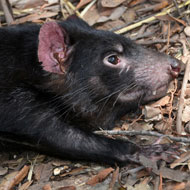
Tasmanian devils are considered endangered as a result of devil facial tumour 1.
Key drugs used to treat cancer in humans may also be useful in the fight against transmissible cancers in Tasmanian devils.
This is according to a new study by the University of Cambridge, which found that certain drugs used in humans were able to efficiently stop the growth of devil cancer cells in the lab.
The research, published in the journal Cancer Cell, shows that molecules known as receptor tyrosine kinases (RTKs) have an important role to play in sustaining the growth and survival of transmissible cancers in devils. Drugs targeting RTKs have already been developed for human cancers.
Tasmanian devils are considered endangered as a result of devil facial tumour 1 (DFT1), which is passed between animals through biting and causes disfiguring facial tumours. Usually fatal, DFT1 has spread throughout Tasmania since it was first seen in 1996, causing significant declines in devil populations.
Routine diagnostic screening in 2014 uncovered a second transmissible cancer in the species. With the naked eye, facial tumours caused by devil facial tumour 2 (DFT2) cannot be distinguished from those caused by DFT1, but analysis has shown they differ at a biological level.
Cambridge researchers found striking similarities between the two cancer types; in terms of genetics, tissues of origin, the way in which the cancer cells mutate and possible drug targets.
First author Dr Elizabeth Murchison said: “The story of Tasmanian devils in recent years has been a very concerning one. This study gives us optimism that anti-cancer drugs that are already in use in humans may offer a chance to assist with conservation efforts for this iconic animal.”


 The University of Glasgow is seeking participants for a new study into vet professionals nutrition-related knowledge, competence and decision-making.




