


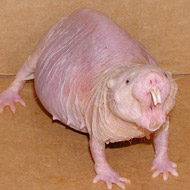
Rodents exhibit anti-cancer mechanism called cellular senescence
New research has revealed insights into the cellular processes that contribute to the naked mole rat’s resistance to cancer.
Native to East Africa, the naked mole rat is renowned for its longevity and ability to resist cancer. Over the many years that the species has been studied, very few have been observed developing tumours.
In a new study, an international team of researchers set out to see if the naked mole rat exhibits an anti-cancer mechanism called cellular senescence and, if so, how it operates in short-lived animals like mice.
Cellular senescence is a phenomenon by which damaged cells are prevented from dividing and developing into cancer. By preventing this action, however, the ageing process speeds up.
Earlier research found that when cells that had undergone senescence were removed from mice, the mice were stronger in old age when compared to mice that had aged naturally.
To prevent cancer, abnormal cells need to be prevented from dividing. But to prevent ageing, cells need to keep dividing in order to replenish tissues.
In the study, researchers compared the senescence response of the naked mole rat to that of mice, which live a tenth as long. They found that while naked mole rats do experience cellular senescence, they continue to live long, healthy lives.
The study showed that although naked mole rats displayed cellular senescence similar to mice, their senescent cells exhibited unique features that may contribute to their cancer resistance and longevity.
“Our research suggests that naked mole rats are able to inhibit metabolic processes of the senescent cells, resulting in senescent cells that are less pathogenic,” said Dr Joao Pedro De Magalhaes from the University of Liverpool’s institute of Ageing and Chronic Disease, which took part in the study.
“In addition, naked mole rat cells are more resistant to DNA damage. Therefore, one hypothesis is that the way naked mole rats are better able to cope with damage to their genome is essential for longevity and cancer resistance.”
The study, Naked more rats can undergo developmental, oncogene-induced and DNA damage-induced cellular senescence, is published in Proceedings of the National Academy of Sciences.
Image (C) Jedimentat44


 Defra has published guidance for the vet sector ahead of a proposed UK-EU Sanitary and Phytosanitary agreement.



