


Study shows high prevalence of gait abnormality in pugs
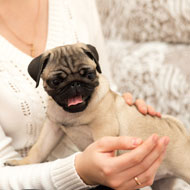
Out of the 550 pugs assessed, gait abnormalities were reported in 30.7 per cent of responses.
More than 30 per cent of pugs suffer from gait abnormality, according to new research.
A study published in Veterinary Record assessed 550 pugs registered by the Swedish Kennel Club. The dogs were all one, five and eight years of age.
Researchers sent an online questionnaire to the owners of the pugs, asking them to answer questions about the nature of their dog’s gait. The owners were also encouraged to send video footage of their pug, showing their dog walking back to forth, on the leash and walking from the side.
Researchers found that out of the 550 pugs assessed, gait abnormalities were reported in 30.7 per cent of responses. The most common sign of pain described by the owners was a reluctance to go for walks (56.7 per cent).
The researchers also found a link between abnormal gait and age, with gait abnormalities being more prevalent in older pugs. An association between abnormal gait and dyspnoea was also found, with dyspnoea being significantly more common in pugs with gait abnormalities.
The researchers said that whilst abnormal gait could be the result of orthopaedic conditions, it may also be a consequence of neurological issues.
“Although this study did not aim to differentiate orthopaedic from neurological causes for gait abnormalities, the high prevalence of wearing of nails reported in the questionnaires, and the fact that lameness was not a common finding in submitted videos, suggest that the majority of gait abnormalities in the pugs were indeed related to neurological rather than orthopaedic disorders,” the authors write.
The authors conclude that the prevalence of gait abnormalities was high and increased with age. This suggests that gait abnormalities are a more significant health problem in pugs than previously reported.


 The RCVS has announced a new version of its 1CPD mobile app, with enhanced features for veterinary surgeons and veterinary nurses to record their continuing professional development.



