


How to be a fear-free practice
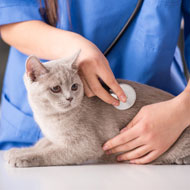
A survey of dog and cat owners suggests 51 per cent believe their pet dislikes going to the vet.
Getting scratched by cats or seeing patients hiding, pulling away or clinging to their owners are a common occurrence in practice. Certainly, a show of hands at SPVS/VMG Congress showed almost all delegates had seen at least one of these behaviours on their last day in practice before coming to the conference. But does it have to be this way?
Dr Jonathan Bloom, a veterinary surgeon from Ontario, told delegates: "Just because we've been doing it this way for 20 years doesn't make it right… I became a vet to make pets better, not worse."
A survey of more than 1,000 dog and cat owners in 2014 suggests 51 per cent believe their pet dislikes going to the vet. Furthermore, 38 per cent of the owners themselves said they felt stressed even thinking about going to the vet.
As the saying goes, you can't treat pets you don't see and Dr Bloom warned delegates that owners and pets who have stressful experiences at their practice may cease to visit, meaning the pet's health care is compromised. Dr Bloom's practice is a certified Fear-Free Practice; he said that for him, making changes for the benefit of his patients became "a practice imperative and a moral obligation".
Caring for patients doesn't start in the consulting room. It starts days, or even weeks before you see them. In Dr Bloom's practice, each and every appointment is booked thoughtfully, intentionally and purposefully - with the aim of reducing patient stress as much as possible, for example by holding cat-only clinics.
Prior to their arrival, clients are also given a set of top tips for fear-free appointments. Delegates were advised to put together similar letters with their own branding.
Top tips for clients include:
1. Reacquainting cats with their carrier around two weeks before the appointment. Place food beside it for a few days, then in front of it, inside it and at the back. For the appointment, cover three sides of the carrier with a towel or blanket.
2. Pick up a pheromone spray in advance - use this to spray the cat carrier every day for a few days.
3. Skip a meal before the appointment so the pet is hungry. This will avoid nausea/sickness and make them more food motivated. Dr Bloom's practice use 20-40 tiny treats per pet, per appointment, so they learn to associate the practice with positive experiences.
4. Get the car ready in advance, so it is a comfortable temperature for pets.
5. Sometimes calming drugs can be prescribed for patients in advance of their visit.
6. Take pets to the practice for 'happy visits', where they receive treats and cuddles.
For practices, Dr Bloom advised:
- Play calming music and pheromone diffusers in the waiting room.
- Walk slowly and speak calmly to put patients at ease. Explain what you are doing to the client.
- You don't have to examine the pet on the table in the consult room - think outside the box. Arthritic patients, for example, may prefer to be examined elsewhere, on a non-slip floor. Consider where the pet wants to be and what is comfortable for them.
- Thundershirts may help to relax some patients, but it is always essential to look for signs of learned helplessness.
- Put a ball of treats in every consulting room, or write the pet's name in Kong paste.

 The latest



