


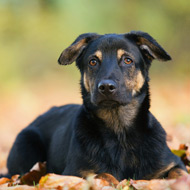
Samples needed for ongoing research into Aeromonas hydrophila
A bacterium that causes ulcerative skin lesions and kidney failure in fish could be linked to cases of Alabama rot in UK dogs, according to fish vet Fiona Macdonald.
Dr Macdonald is co-ordinating a study into whether Aeromonas hydrophila could be a possible cause of cutaneous and renal glomerular vasculopathy (CRGV), also known as Alabama rot.
The first cases of CRGV in UK dogs were confirmed in 2012. Anderson Moores Veterinary Specialists recently put the total number of cases at 122. The disease causes skin lesions and often fatal kidney failure.
While the cause is not yet known, it appears to have a seasonal aspect, with most cases occurring between November and June. Initial cases occurred in areas with substantial amounts of water, as a result of unusually high rainfall, during cold weather. Both running water and standing water were 4ºC for some weeks at the time of the cases.
A hydrophila was first recorded in dogs in 1995. It is known to cause ulcerative skin lesions in both ornamental and farmed fish, with subsequent kidney failure. The UK strains prefer cold, which could be why it grows in the skin lesions - as they are cooler than the rest of the body.
Diagnostic laboratory BioBest, in Edinburgh, developed a specific test for A hydrophila antibodies in serum. Dr Macdonald says a significant number of blood samples submitted from suspected CRGV cases, strongly indicated an immune response to the organism. The samples came from dogs living in rural areas across the UK, from southern Scotland to Devon.
Specialist transport medium swabs have also been sourced to sample skin lesions on first presentation to a veterinary surgeon. These are subjected to specific culture conditions for Aeromonads. So far, Dr Macdonald says there has been one positive isolation of the organism from a swab taken from a suspect lesion. This dog also produced a positive antibody response to the organism.
Research thus far has also involved testing canine kidney cells in tissue culture to determine if there are any effects associated with the A hydrophila. Dr Macdonald says the theory is that toxins from the organisms cause kidney problems in affected dogs, rather than direct infection by the organism itself. This could explain why the organism has never been isolated so far in affected dog kidneys.
Preliminary results indicate that both the medium in which the organism has been grown, and the inactivated organism, killed the dog kidney cells in tissue culture - even after significant dilution. Dr Macdonald says this goes a long way to confirming the involvement of bacterial toxins.
It's early days for the project and many more samples are needed to draw firm conclusions, but Dr Macdonald described the preliminary results as 'very promising'.
For further information including how to take part in the trial please contact Dr Macdonald on info@fish-treatment.co.uk
You can send us your feedback on this story via editor@mrcvs.co.uk


 Defra has published guidance for the vet sector ahead of a proposed UK-EU Sanitary and Phytosanitary agreement.



