


Puppy faeces needed to monitor antibiotic-resistant bacteria
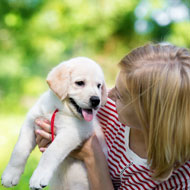
Researchers are keen to learn how the places puppies are walked might effect the levels of antibiotic-resistanct bacteria in their guts.
Puppy owners are being urged to send researchers samples of their pet’s faeces so that it can be monitored for antibiotic-resistant bacteria.
The One Health Selection and Transmission of Antimicrobial Resistance (OH-STAR) project is investigating how antibiotic-resistant E.coli might move between the environment, animals and humans.
Organised by the University of Bristol, the project seeks to find out if antibiotic-resistant bacteria in animals are an important source of antibiotic-resistant bacteria in people. It also hopes to reveal where animals get their antibiotic-resistant gut bacteria.
As part of the study, the team is collecting and analysing faecal samples from puppies which are not being walked in public places. They are then comparing the samples from the same puppies a month or so later when they have started going outside.
Researchers are keen to learn how the places puppies are walked might effect the levels of antibiotic-resistant bacteria in their guts. Project leader Dr Matthew Avison explains:
“Puppies might get their gut bacteria from their mothers, from the environment in which they are exercised, from other pets in the household, or from their owners. It may well be a combination of all these.
“We want to identify the importance of the environment as a source of antibiotic-resistant bacteria because dogs might be bringing these bacteria into the home. At the moment, we just don’t know.”
Masters student Kezia Wareham, who is keen to recruit as many puppies as possible, added: “We are excited to be able to work directly with puppy owners to help answer these important questions. If you have a young puppy and would be able to provide us with some poo, please do get in touch.”
The project is open to owners of puppies aged 12 weeks and under from North Somerset, Bristol, Bath and North-East Somerset, and surrounding areas. Puppy owners will be asked to complete a simple questionnaire and provide two faecal samples from their puppy.
For further information, contact the OH-STAR team, email: oh-star-project@bristol.ac.uk


 Companies marketing medicines for small pets exempt from authorisation must submit their annual return to the Veterinary Medicines Directorate (VMD) by 30 November 2026.



