


Defra backs tougher rules on neonicotinoids
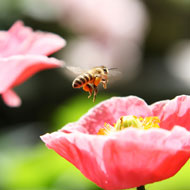
A growing body of scientific evidence shows neonicotinoids are harmful to bees and other pollinators.
Environment secretary Michael Gove has said the UK will support tougher restrictions on the use of neonicotinoids, as a growing body of scientific evidence shows they are harmful to bees and other pollinators.
There is currently an EU-wide ban on the use of three neonicotinoids (clothianidin, imidacloprid and thiamethoxam) on a number of crops that are attractive to bees, such as oilseed rape.
The European Commission has proposed to further restrict these pesticides, so they can only be used on plants in glasshouses. Currently their use is allowed for treating sugar beet and as seed treatment for winter cereals.
Mr Gove said tougher restrictions are justified by scientific evidence on the risks posed to the environment and pollinators. Unless the evidence changes, the government will maintain these restrictions after Brexit.
The move follows advice from the government’s advisory body on pesticides.
“I’ve always been clear I will be led by the science on this matter,” Mr Gove said. “The weight of evidence now shows the risks neonicotinoids pose to our environment, particularly to the bees and other pollinators which play such a key part in our £100 billion food industry, is greater than previously understood.
“I believe this justifies further restrictions on their use. We cannot afford to put our pollinator populations at risk.”
Mr Gove added that he understands the impact that further restrictions will have on farmers and is keen to work with them to investigate alternative approaches.
If the European Commission’s proposal is adopted, the UK would be able to consider emergency authorisations in exceptional circumstances, when the risk to pollinators is sufficiently low.


 Eligible members of BEVA will be able to vote for their Council team until Monday, 17 August 2026. Members will have received an election email on 17 July.



