


Scientists identify cause of disc disease in dogs
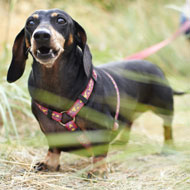
The team identified the genetic mutation in the beagle, dachshund and spaniel.
Scientists have discovered a genetic mutation that is responsible for intervertebral disc disease (IVDD) in dogs.
Geneticist Danika Bannasch claims that being able to identify dogs with the genetic susceptibility could provide a valuable tool for owners, breeders and vets.
Bannasch started her genetic search with the toller breeds and found a genome-wide region of significance on chromosome 12 that appeared to be linked to abnormal bone growth.
When her team looked for other breeds that shared the DNA sequence in this region, they found it was present in the chondrodystrophic breeds, such as the beagle, dachshund and spaniel.
“Dogs with intervertebral disc disease are 50 times more likely to have this mutation; that’s an incredibly strong correlation with disc disease,” Bannasch explained. “Being able to identify the cause of this painful condition is the first step to alleviating pain and suffering for dogs at greatest risk.”
Until now, researchers were unable to pin down the cause of IVDD in dogs - a debilitating condition that, in the worst cases, can lead to permanent nerve damage. Now that reserachers know more about why it’s occurring, it may allow vets and breeders to alleviate the risk of IVDD and resulting spinal cord disease.
“What we need to know now is the prevalence of this retrogene in all of these breeds,” commented neurologist and co-author Peter Dickinson. “Without that, it’s difficult to establish how to start breeding the condition out. We need as much information as possible to make a plan and help improve the well-being for dogs who suffer from this condition.”
The study, led by University of California, Davis, is published in the journal Proceedings of the National Academy of Sciences.


 Two independent vets have launched a podcast to help owners strengthen their bond with pets. Dr Maggie Roberts and Dr Vanessa Howie, who have worked in both veterinary practice and major charities, are keen to use their experience to enable people to give pets a better life.



