


Crop-based animal feed ‘driving wildlife loss’
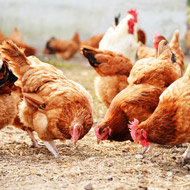
The biggest consumer of crop-based feed is poultry.
A new report has found that the biggest environmental impact of a meat-based diet comes from growing crops to feed livestock.
The WWF's ‘Appetite for Destruction’ report found that crop-based feed is putting a huge strain on natural resources and driving wildlife loss. It concludes that if the demand for animal products continues to grow, soy production would need to increase by as much as 80 per cent by 2050.
“The simple fact is that the world is consuming more animal protein than it needs and this is having a devastating effect on wildlife,” explained Duncan Williamson, WWF food policy manager.
“A staggering 60 per cent of global biodiversity loss is down to the food we eat. We know a lot of people are aware that a meat-based diet has an impact on water and land, as well as causing greenhouse gas emissions, but few know the biggest issue of all comes from the crop-based feed the animals eat.”
The report reveals that the biggest consumer of crop-based feed is poultry, followed by the pig industry. In the United Kingdom, the most popular meat is chicken, with each person consuming on average 25kg a year in 2015.
It also found that almost twice as many people now eat fish compared to the 1960s. While an increasing amount of seafood is now farmed, intensive systems using crop-based feeds are becoming more commonplace.
Nutritional guidelines recommend 45-55g of protein per day. However, the average UK consumption is 64-88g, of which 37 per cent is meat and meat products.
“For people and nature to thrive we need to consume and produce food differently, “ Mr Williamson continued. “If we just stuck to the nutritionally recommended amount of protein, rather than over-consuming, an area 1.5 times the size of the European Union would be saved from agricultural production.
“Eating less animal protein would allow us to farm in a more sustainable way, with less impact on the environment and healthier and more nutritious food.”


 Companies marketing medicines for small pets exempt from authorisation must submit their annual return to the Veterinary Medicines Directorate (VMD) by 30 November 2026.



