


Majority of seabirds have ingested plastic - study
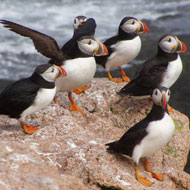
Dr Alex Bond, RSPB senior conservation scientist, said solutions to this problem require “more concerted action at its source on land".
A new report has found 74 per cent of seabirds in the northeastern Atlantic region have ingested plastic.
Scientists collated data from all known studies on plastic ingestion and nest incorporation in seabirds around Northern Europe, Scandinavia, Russia, Greenland, Svalbard, the Faroes and Iceland.
Marine plastic pollution is a growing environmental issue which poses a “major threat” to marine biodiversity, experts say.
Millions of tonnes of plastic enters the oceans every year, and plastic production is on the rise. Seabirds can ingest it, become entangled in it, or incorporate it into their nests, with potentially negative consequences for reproduction and survival.
Dr Alex Bond, RSPB senior conservation scientist, said solutions to this problem require “more concerted action at its source on land - 80 per cent of marine litter is thought to come from land - especially by producers and users.”
Around half of all plastic products are single-use only, but plastic never breaks down - it breaks up into smaller fragments that stay in the environment.
“As its density varies, it can be found throughout the water column, increasing the number of species which come into contact with it,” Dr Bond explained.
The northeastern Atlantic Ocean is an area of international importance to seabirds, yet there has been little research on how marine plastic affects different species over time, and regionally.
Dr Nina O’Hanlon, from the Environmental Research Institute in Thurso, said: “We actually know very little about the current prevalence of plastic ingestion and nest incorporation for many species, several, like the Long-tailed Duck and Atlantic Puffin, which are globally threatened.
“Only 49 per cent of the 69 species which are commonly found in the region have been investigated for plastic ingestion.”
Scientists say a multi-directional, coordination and collaborative effort is needed to gain a proper understanding of this issue.


 Veterinary practices are being urged to help owners safely dispose of any unused and expired pet medicines - not just antibiotics - during November's Animal Medicines Amnesty.



