


Horse owners urged to take extra precautions
In the aftermath of storm Aileen, horse owners are being urged to take extra precautions to keep their horses safe from Seasonal Pasture Myopathy (SPM).
The British Equine Veterinary Association (BEVA) says that after the major storms of 2014, there was a ‘big spike’ in cases of the disease, also known as atypical myopathy.
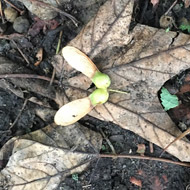
BEVA believes that high winds may cause sycamore seeds to fall earlier than usual this year. As such, the organisation has issued advice to horse owners to help them identify sycamore trees on or near grazing land and prevent the seeds falling where horses can reach them.
“In 2014 we saw a big spike in Seasonal Pasture Myopathy in the aftermath of storms hitting the UK. It’s a terrible condition that can be fatal despite treatment,” said Mark Bowen, senior vice president of BEVA.
“It’s easier to spot the sycamore’s maple-shaped leaves now while they are still on trees. Otherwise the seeds may be confused with ash keys. It’s best to speak to your vet for practical advice on how to keep your horse safe.”
Highly fatal in horses, SPM is a muscle disease caused by the toxin hypoglycin A, which is found in sycamore seeds.
While not directly palatable to horses, sycamore seeds can be ingested by horses when they are grazing on poor quality pasture. Equines most susceptible to SPM are kept in sparse pastures with an abundance of dead sycamore leaves, dead wood and no access to supplementary hay or feed.
To reduce the risk of their horses contracting SPM this season, horse owners are advised to:
-
Ideally move horses off pasture at times of risk
-
Restrict access to seeds by using temporary fencing
-
Ensure horses have access to good quality uncontaminated pasture
-
Provide consistent access to clean, palatable hay or haylage to minimise the risk of horses being tempted to ingest seeds
-
Do not fell trees, since doing so can lead to massive pasture contamination, further increasing the risks to horses
-
Discuss the risks and how to identify early clinical signs of SPM with your veterinary surgeon
-
Be aware that a field without sycamore trees can still contain seeds spread by high winds or flood water.


 Defra has published guidance for the vet sector ahead of a proposed UK-EU Sanitary and Phytosanitary agreement.



