


Study highlights similarities between human and animal food allergies
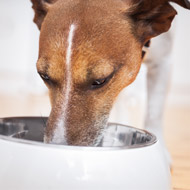
The paper notes similarities among the triggers of an immune response to particular food and ingredients.
Symptoms of food intolerance are similar in both animals and humans, according to a new European position paper.
Published in the journal Allergy, the research was summarised by researchers at the University of Veterinary Medicine Vienna and the Medical University of Vienna.
The paper highlights the strong similarities in human and animal allergy symptoms and triggers of adverse food reactions. Moreover, it stresses the need for more comparative studies on the mechanisms and diagnosis of food intolerance.
“Not only humans but basically all mammals are susceptible to developing allergies, as their immune system is capable of producing immunoglobulin E,” said lead author and nutrition scientist Isabella Pali-Schöll. While these special antibodies aid in the defence of parasites or viruses, they are also responsible for type 1 allergy symptoms, such as hay fever, allergic asthma and anaphylactic shock.
In the paper, researchers show that symptoms of food intolerance are similar in both animals and humans. But in the case of cats, dogs and horses, the adverse reactions mainly affect the skin and gastrointestinal tract.
The paper also notes parrallels among the triggers of an immune response to particular food and ingredients. Pets may suffer from lactose intolerance and milk protein allergies. Some mammals may also have an allergic response to certain proteins in soy, peanuts, meat, fish, eggs and wheat.
While some foods have been accepted as allergen sources for animals, scientists know very little about their causative allergenic molecules. In humans, many of these molecules have been identified and are already used in diagnostics, such as the allergen microchip test. As far as animals are concerned, there is still considerable need for research.
Likewise, a precise and comprehensive diagnosis is vital for establish adequate measures against food intolerance. However, many mechanisms and triggers for animals have not been sufficiently researched. To some degree, this is because some test samples or substances are not available.
Researchers say the best diagnosis of food allergy relies - as in humans - on an elimination diet. This consists of removing all sources of protein from meals. “During this period of diagnosis, the animal will be fed homemade food or diet food prescribed by a veterinarian,” advises Pali-Schöll. “Only then, and if there have not been any dangerous allergic reaction before, can ‘normal’ food be gradually reintroduced.”


 Defra has published guidance for the vet sector ahead of a proposed UK-EU Sanitary and Phytosanitary agreement.



