


Zika virus kills brain cancer cells - study
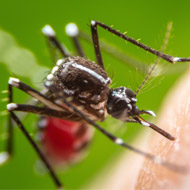
The Zika virus, which is spread my mosquitoes, causes serious birth defects.
A study by US researchers has revealed that Zika virus can kill brain cancer stem cells - the type of cells that are most resistant to standard treatment.
Their findings, published in the Journal of Experimental Medicine, suggest that Zika virus - which causes serious birth defects in humans - could be directed at malignant cells in the brain.
Researchers say their findings have the potential to improve people’s chances against glioblastoma - the most common form of primary brain tumour in adults.
“We showed that Zika virus can kill the kind of glioblastoma cells that tend to be resistant to current treatments and lead to death,” explained co-author Michael Diamond, a professor of Medicine at Washington University School of Medicine.
In the study, researchers from Washington University School of Medicine and the University of California San Diego School of Medicine assessed if the virus could kill stem cells in glioblastomas removed from patients at diagnosis.
Their findings suggest that Zika infection and chemotherapy/radiotherapy compliment each other. While the standard treatment kills the majority of the tumour cells but often leads the stem cells intact, Zika virus attacks the stem cells but bypasses the greater part of the tumour.
“We see Zika one day being used in combination with current therapies to eradicate the whole tumour,” said Chheda, an assistant professor of medicine and neurology.
To see if Zika could be used to treat cancer in a living animal, the researchers injected either Zika virus or salt water (a placebo) into the brain tumours of mice. They found that tumours were markedly smaller in the Zika treated mice two weeks after injection, and those mice survived much longer than the ones injected with salt water.
Researchers say that if Zika virus was to be used in humans, it would have to be injected straight into the brain. If injected anywhere else in the body, the immune system would destroy it before it reaches the brain.


 Eligible members of BEVA will be able to vote for their Council team until Monday, 17 August 2026. Members will have received an election email on 17 July.



