


Take action now to prepare for winter avian flu
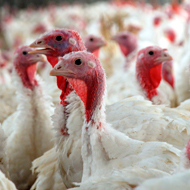
All keepers can take a few simple steps to reduce the risk of disease before the autumn migration
UK poultry keepers are being urged to remain vigilant to the threat of bird flu
The chief veterinary officers of Wales, Scotland, Northern Ireland and the UK have issued a call for poultry keepers to take action now to reduce the risk of avian flu infecting their flocks and the wider poultry industry this winter.
All keepers – whether they run a large commercial farm or keep just a few pet chickens in their back garden – can get ahead of the game and take the following simple steps to reduce the risk of disease before autumn migration of ducks and geese begins again this winter:
- Keep the area where birds live clean and tidy, control rats and mice and regularly disinfect any hard surfaces. Clean footwear before and after visits
- Place birds’ food and water in fully enclosed areas that are protected from wild birds, and remove any spilled feed regularly
- Put fencing around outdoor areas where birds are allowed and limit their access to ponds or areas visited by wild waterfowl
- In Great Britain, stay alert by signing up online to a free service to receive text or e-mail alerts on any outbreaks of bird flu in the UK. You can also quickly and easily register your flock online
- In Northern Ireland, visit the DAERA website for further information.
Last winter, the H5N8 strain of bird flu was found in 13 kept flocks in the UK – ranging in size from as few as nine to as many as 65,000 birds. There has been a decline in the number of new cases over the summer, but the disease is still circulating in kept poultry across Europe, with Italy the most recent country to suffer a series of outbreaks. It has also recently been confirmed in a dead mute swan in Norfolk.
The Government is working with groups including NFUs in England and Scotland, the UFU, RSPCA, British Hen Welfare Trust and Poultry Club of Great Britain to highlight the importance of keeping up high biosecurity even though the immediate disease risk has dropped.
Together, the groups are also keen to highlight the impact of bird flu on the poultry industry – a case in a backyard flock leads to the same trade restrictions in an area as an outbreak on a commercial farm, so protecting chickens in a back garden from the disease also protects farmers locally and nationally.
Given the recent outbreaks in wild birds in Norfolk and on the continent, there is every likelihood that the disease will return this winter. Last year’s outbreak is believed to have been transmitted via migratory wild birds, which means keepers need to be aware of the danger of contact between wild and kept birds and take action now.
All keepers in Great Britain can stay up to date with the latest situation by signing up for the Animal and Plant Health Agency alerts service.


 Companies marketing medicines for small pets exempt from authorisation must submit their annual return to the Veterinary Medicines Directorate (VMD) by 30 November 2026.



