


Vets break stereotypes with #looklikeavet

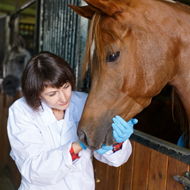
Breaking stereotypes: #looklikeavet challenges the idea that all vets should look like James Herriot.
Veterinary professionals are flocking to social media to break the stereotype of what a vet should look like.
#looklikeavet has been growing in popularity, with vets and veterinary nurses using the hashtag to bring an end to sterotypes about gender, ethnicity, sexuality, class and disability.
Ex-RCVS president Neil Smith shared a photograph of himself outside the Ebola treatment centre in Hastings, Sierra Leone.
Neil, who is chief veterinary officer of the British Army, tweeted: There's huge diversity in the profession. @RCVS_UK what other examples can we come up with? #LookLikeAVet.'
Others taking part include Lucy Barker, an ECVIM resident in internal medicine, who shared a picture of herself on a night out with friends.
Equine vet Danny Chambers also got on board with the campaign, tweeting: ’Ditched the chequered shirts and boots for suits and sunglasses to work in Iraq on a livestock improvement programme!’
The hashtag was started by zoologist Dr Naomi Harvey who said that she wanted to break down the idea that all vets should look like James Herriot.
It was inspired by an article written by Lucy Dobree that has been shared more than 5000 times on Facebook. Published in The Guardian, the article describes Lucy’s experience’s of being a female vet and the sexism she has come up against in practice.
She writes: ‘You’d be surprised at the number of people I see who seem genuinely shocked to see a young female veterinary surgeon standing behind the examination table. Some clients are more vocal about this than others.
‘One charming chap, who entered the room carrying a dog so flea infested that I wanted a shower after seeing it, informed me, after staring at my chest for about two minutes that he didn’t think that 'little girls' like me were allowed to do this job.’
Lucy adds that when she graduated, she didn’t realise how deeply ingrained the image of a 'James Herriot' seemed to be in the national psyche.
‘People seem to think vets should look a certain way - ideally as much like a balding middle aged man as possible,’ she said.
Responding to the campaign, The British Veterinary Ethnicity and Diversity Society posted on Facebook: ‘We love the hashtag #LookLikeAVet currently on Twitter. Breaking the stereotypes of what a vet should look like! Stereotypes about gender, sexuality, race, ethnicity, nationality, class and disability.’
Human medic Dr Núria Querol MD also tweeted a picture of herself with the caption: ‘I #looklikeavet but I am a human doctor praising the work of my fellow vets working in #onehealth & #onewelware’.'

 The latest



