


Improving customer experience for elderly clients
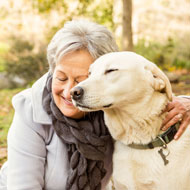
Many older people chose to keep a pet for companionship.
Many older people chose to keep a pet for companionship, particularly if they live on their own or do not have regular contact with their family. In an informative session at Cx Congress (17 June), Age UK’s Maria Cooke spoke about how veterinary practices can improve the customer experience for senior clients and listed some of the services that are available to them.
Senior manager Maria began the session by looking at some of the benefits pets can bring to older people. With rapid advances in communication, she noted that opportunities for a little personal contact are being lost. This is hitting the elderly population hard. Most people meet their friends through the workplace or their children, she said, but once we retire, there is no longer that common link.
This is why so many people chose to get a pet in later life. Pets give elderly people the opportunity to get out and interact with other dog walkers. As such, they are less likely to suffer feelings of isolation and loneliness. Pets are also great for health, encouraging their owners to take some exercise and get some fresh air.
Good communication is key to building client communication, but Maria stressed that veterinary practices might need to go that extra mile to help older clients avoid an over-dependent relationship with their pet. For example, a person who is dependent on their pet may suffer depression when the animal dies. One way that practices can help with this is to a host a regular OAP’s tea party, where clients can bring along their pooch and meet other elderly people in a similar situation.
Costly vets bills can also be a huge worry for those elderly people living on a tight budget, especially if their animal is not insured. Maria noted that veterinary practices can help here by offering senior clients a discount - 15 per cent off consultations, for example. Maria also recommends making clients aware of Turn2Us - a charity that helps people in financial hardship gain access to welfare benefits, charitable grants and support services.
Another way practices can help older clients is to direct them to The Cinnamon Trust - a national charity for the elderly and their pets. The Trust has a network of over 15,000 community service volunteers who provide practical help when any aspect of day-to-day care becomes a problem - for example, walking the dog for a housebound owner.
The Cinnamon Trust provides a fostering service for pets whose owners face a spell in hospital. It also gives long-term care for pets whose owners have died or moved to residential accommodation which will not accept pets.


 Companies marketing medicines for small pets exempt from authorisation must submit their annual return to the Veterinary Medicines Directorate (VMD) by 30 November 2026.



