


Promising work on ape vaccine under threat
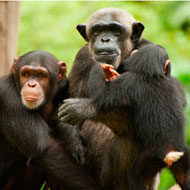
Diseases such as Ebola and anthrax have devastated wild ape populations.
A promising oral vaccine to protect wild apes from Ebola could be stopped in its tracks due to changes in US law, researchers have said.
The oral vaccine is the first to be developed specifically for the purpose of conserving wild apes and can be widely dispersed, allowing more wild animals to be inoculated. However, trials have been halted by the new Endangered Species Act, which bans biomedical research on chimpanzees in the US.
Trials showed the vaccine’s effectiveness in treating Ebola in chimpanzees, and captive animals displayed very few signs of stress as a result. Researchers say the model could be used to develop vaccines for other diseases and ape species in the wild.
Traditionally attempts to vaccinate wild apes have resorted to hypodermic darts administered to individual animals. However, this is a laborious task open to just a small number of apes that are accustomed to human approach. Oral vaccines in edible baits, on the other hand, could be distributed across ape territories, inoculating larger numbers of apes over longer periods.
But in what researchers call a “horrible irony”, changes in US law could now prevent the vaccine from ever reaching the stage where it can be used to inoculate endangered wild apes. The closure of chimpanzee research facilities is a victory for long-standing campaigns by animal welfare groups but researchers say this will ultimately prove detrimental, as any vaccination for wild animals must be tested in captivity to ensure its safety.
Diseases such as Ebola and anthrax have devastated wild ape populations. Ebola alone is thought to have killed one third of the world’s wild gorillas in three decades.
Lead researcher Dr Peter Walsh from the University of Cambridge said: “We have developed a very promising tool for inoculating ape species against the myriad deadly diseases they face in the wild, but continued progress relies on access to a small number of captive animals.”
Whilst captive chimp trials in the US are still technically legal in instances that benefit the species, Dr Walsh says there are limited funds available for conservation research, meaning it is not viable for biomedical facilities to retain chimp populations. Zoos and sanctuaries are either ‘ideologically opposed’ to testing, or unwilling to risk a public backlash, he added.
As a result, work to enhance the oral vaccine, ensuring its effectiveness after exposure to high tropical forest temperatures, may never be completed.
Dr Walsh concluded: “In an ideal world there would be no need for captive chimpanzees, but this is not an ideal world. It is a world where diseases such as Ebola, along with rampant commercial poaching and habitat loss, are major contributors to rapidly declining wild ape populations. Oral vaccines offer a real opportunity to slow this decline.”
The results from the research team’s final trial for the foreseeable future have been published in the journal Scientific Reports.


 Two independent vets have launched a podcast to help owners strengthen their bond with pets. Dr Maggie Roberts and Dr Vanessa Howie, who have worked in both veterinary practice and major charities, are keen to use their experience to enable people to give pets a better life.



