


Over four million pets unneutered, report says
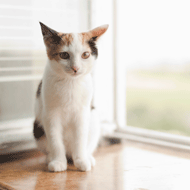
Myths and misconceptions may be partly to blame for the high proportion of unneutered pets, PDSA believes.
New PDSA figures reveal 4.4 million pets are unneutered in the UK, leaving them at risk of dangerous conditions such as womb infections and cancers.
Nearly three million dogs, 770,000 cats and 720,000 rabbits are not neutered, estimates in the charity’s latest PAW report suggest. To coincide with World Spay Day today (28 February), PDSA vets are urging owners to get their pets neutered.
The main reasons owners gave for not getting their pets neutered were: ‘Haven’t thought about it’ (22 per cent), ‘Don’t believe in it’ (16 per cent) and ‘Not got round to it’ (14 per cent).
Neutering levels vary across the UK, with the north east topping the list for unneutered pets at one in four (26 per cent), compared with 16 per cent of pets in the south east.
Myths and misconceptions may be partly to blame for the high proportion of unneutered pets, PDSA believes.
Charity vet Rebecca Ashman comments: “As a vet, I’ve heard many reasons why people are reluctant to have their pets neutered, ranging from worrying it will emasculate their pets, to concern about denying a pet’s parental rights. The reality is that animals don’t experience emotions in the same way we do. There’s no evidence to suggest there is an emotional cost to animals when they don’t have a litter. If owners have concerns about their pet having an anaesthetic and surgery, their vet or vet nurse will be able to put their minds at rest.
“There is also a fear that neutering will change your pet’s personality. Again, this a common misconception: neutering can reduce testosterone-fuelled behaviours – such as aggression – but this is not the same as changing their nature, which is shaped by genetics and life experiences. If owners have any questions, I’d always recommend they speak to their vet, who can give them specific advice for their pet and address any concerns.”
Unplanned pregnancies can be stressful and expensive, particularly if there are complications, PDSA says. It can also be difficult to find loving new homes for the offspring, with many pets ending up in rescue centres.


 The




